
One of my biggest personal wins since moving to Switzerland has been finally getting back behind the wheel.
I was one of those students who got their licence at 18, but then, quite frankly, moved to big cities and studied abroad, never really needing a car until I relocated and realised how much my dependence on public transport and others limited my day-to-day life.
My life in Amsterdam was different. There, everything happens by bike. Doing groceries, going to work, and even going on dates – the bicycle dictates the itinerary of daily life. On the Dutch canals, the bike is king, and cars know their place. It was only after moving to Lugano that I became aware of how restricted my mobility felt without a car. I brought my e-bike along, but that quickly proved less practical here than it had been before. And judging by the unamused looks from people strolling along the lungolago as I rushed past at 25 km/h, it wasn’t helping me make new friends either.
Long story short, I had to face my hesitation and rebuild my confidence behind the wheel. When I was asked to test-drive the new Renault Clio in Portugal, I immediately said yes, recognising it as exactly the kind of opportunity I needed.
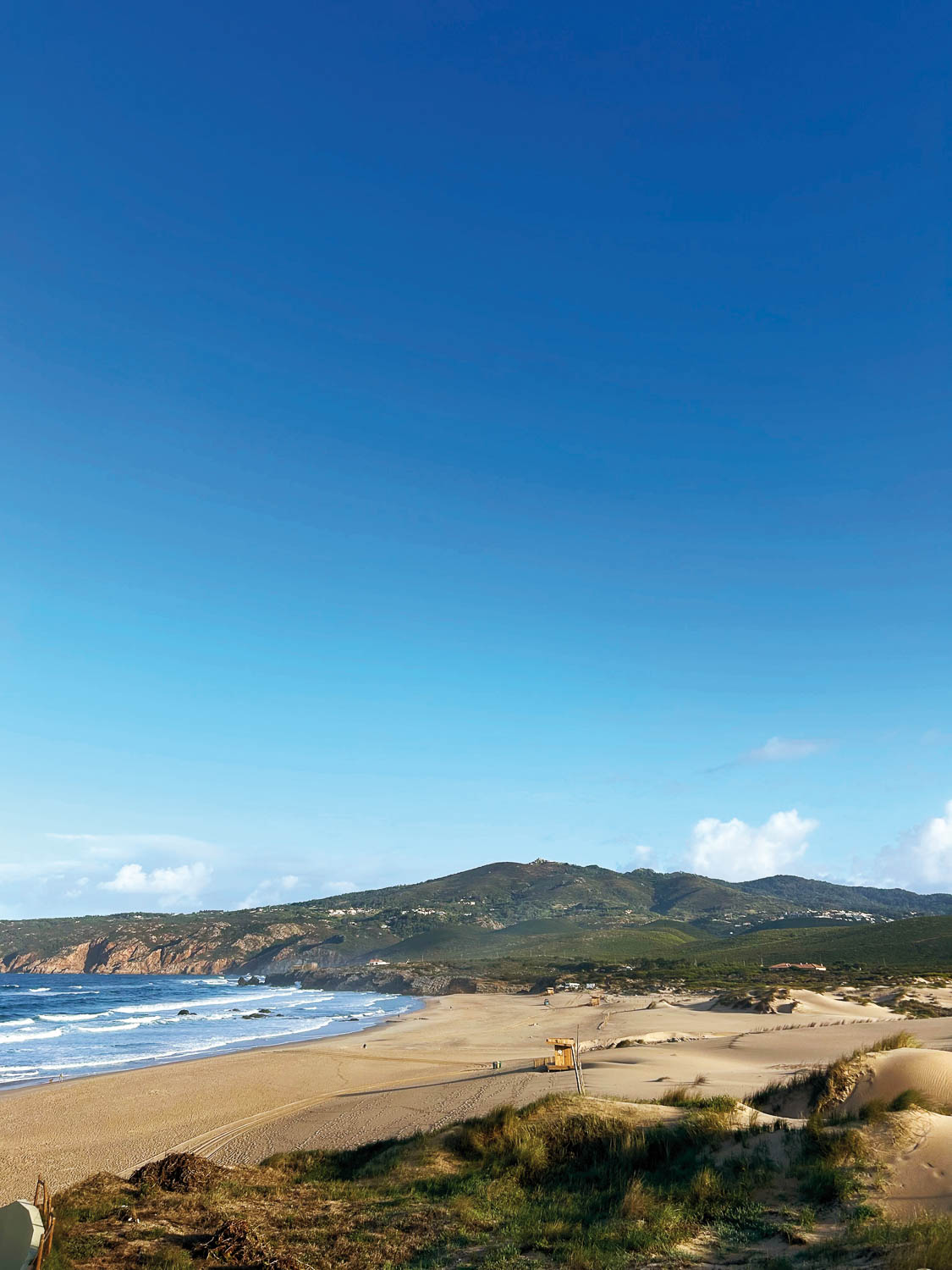
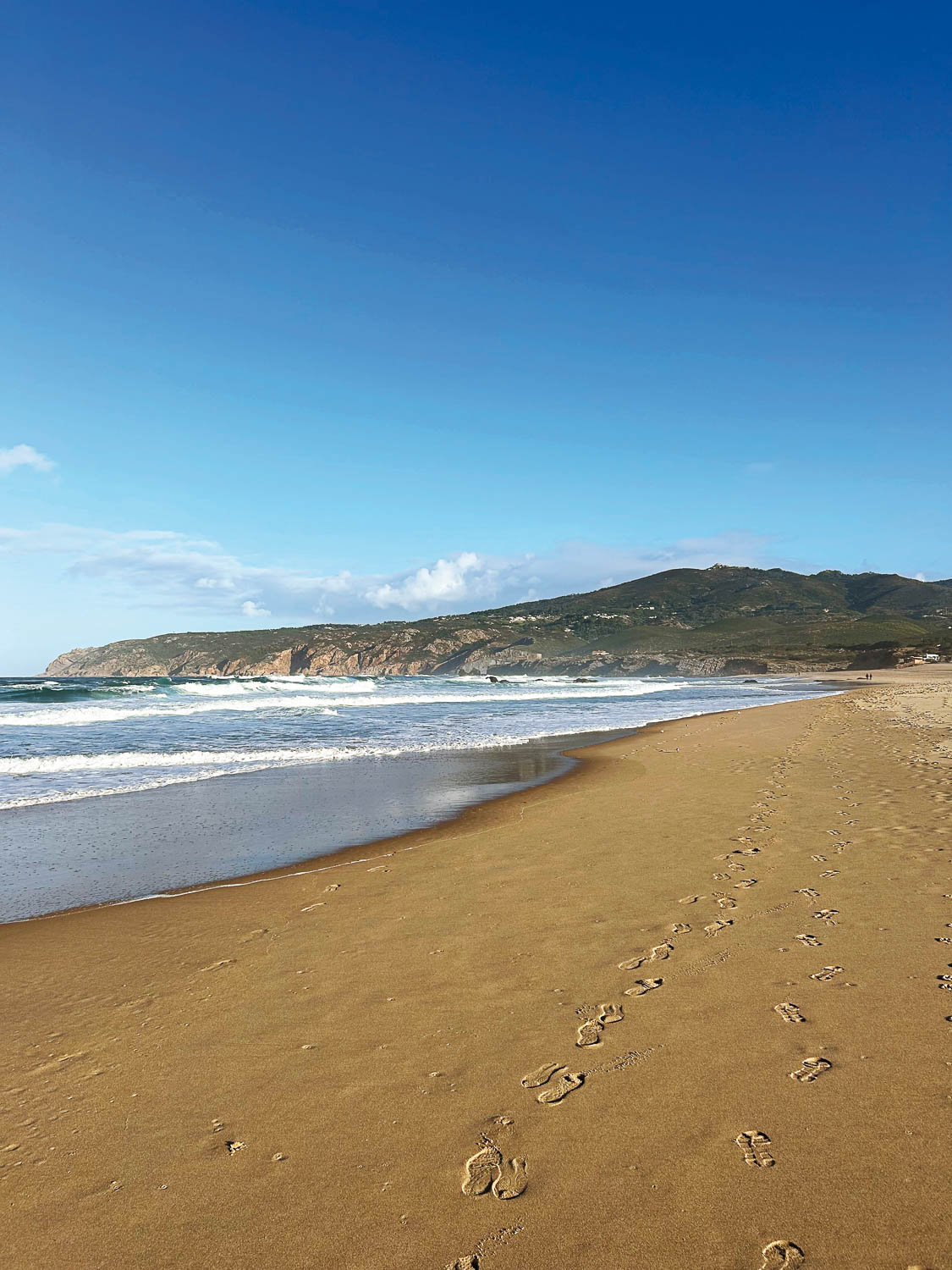
With a healthy dose of nerves, I arrived in Cascais, but the beauty of the landscape immediately put me at ease.

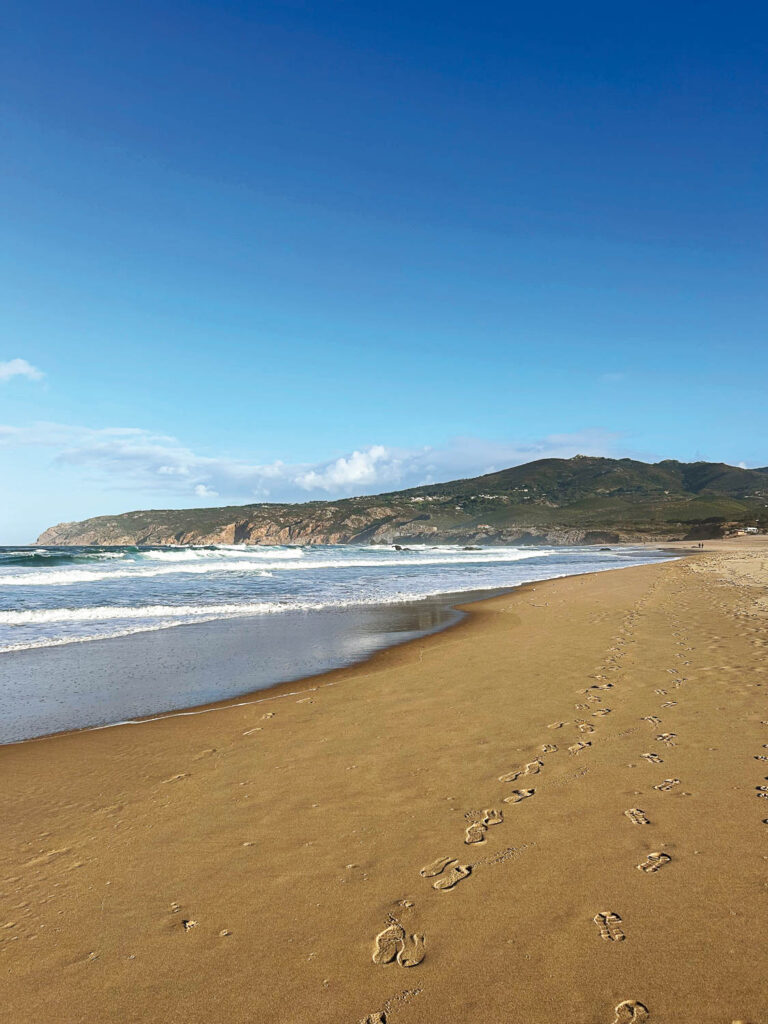
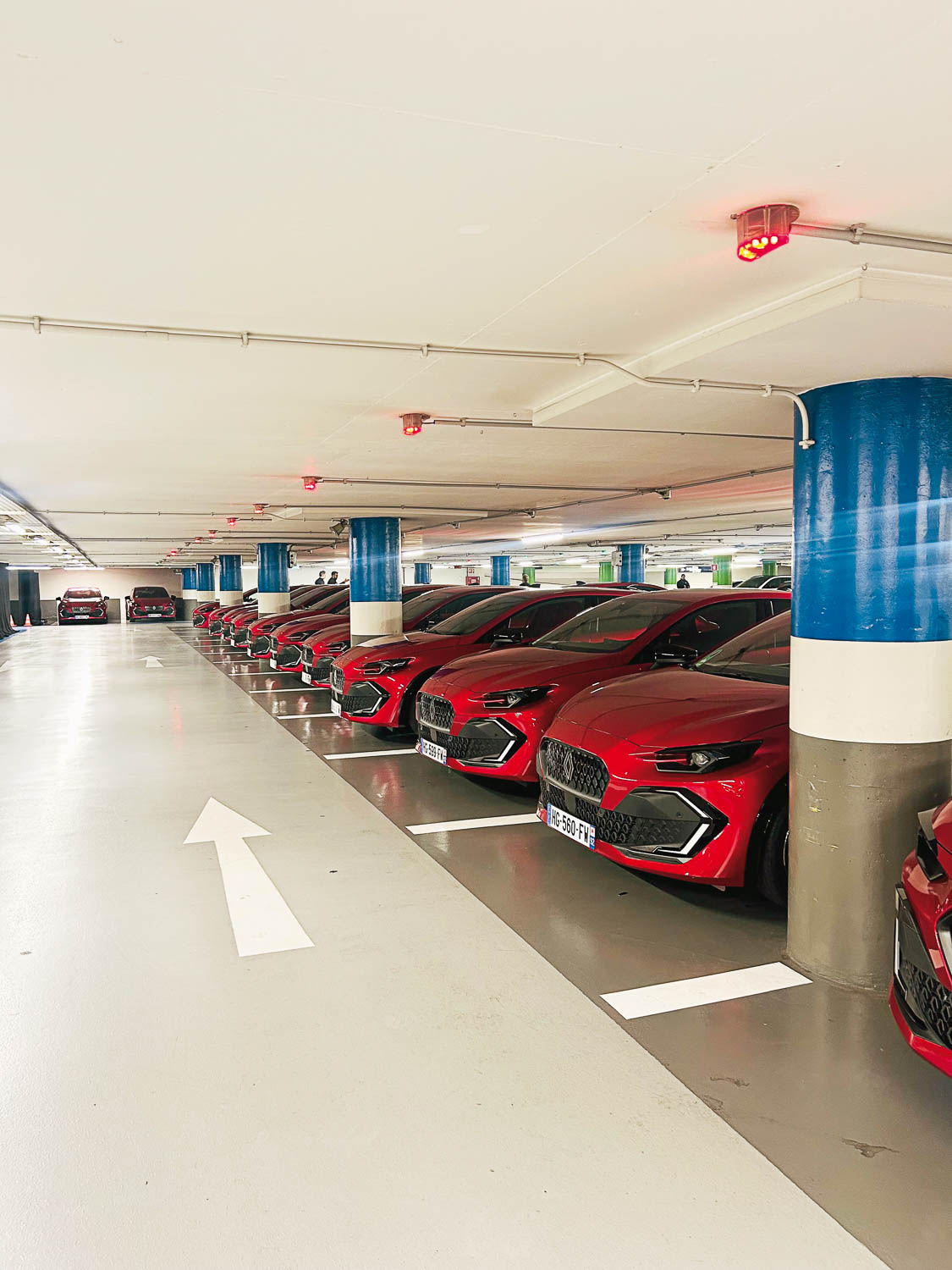
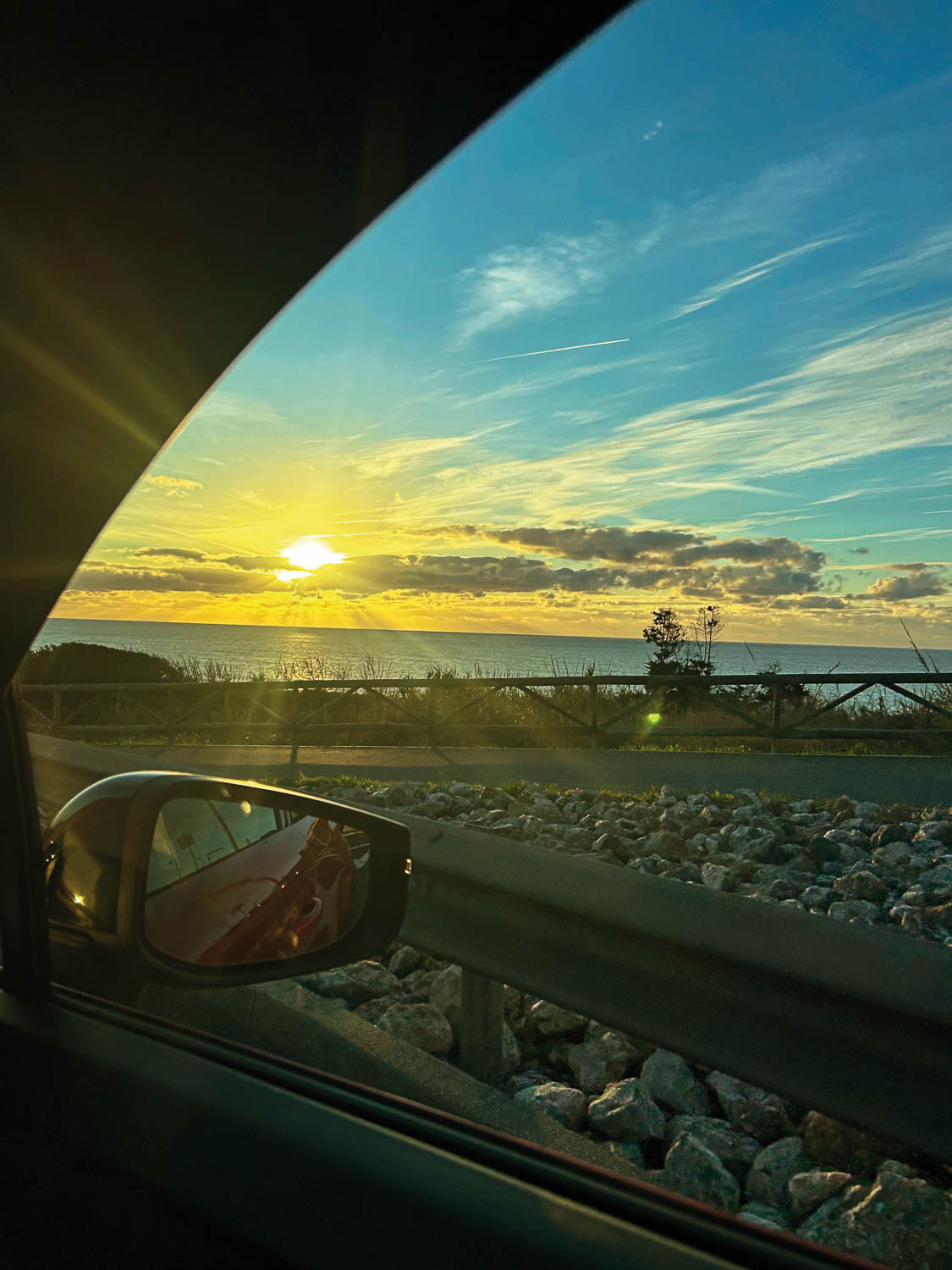
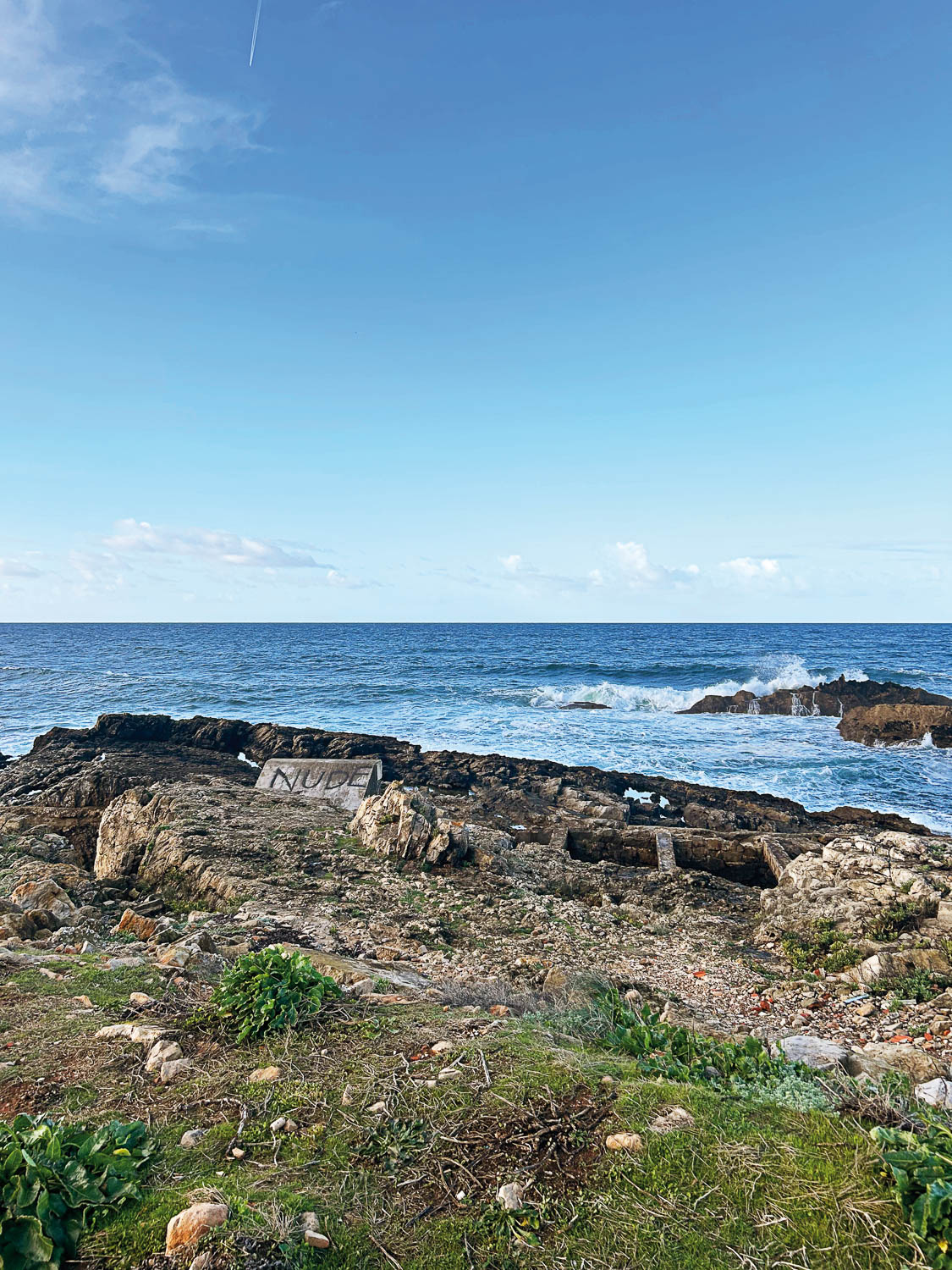
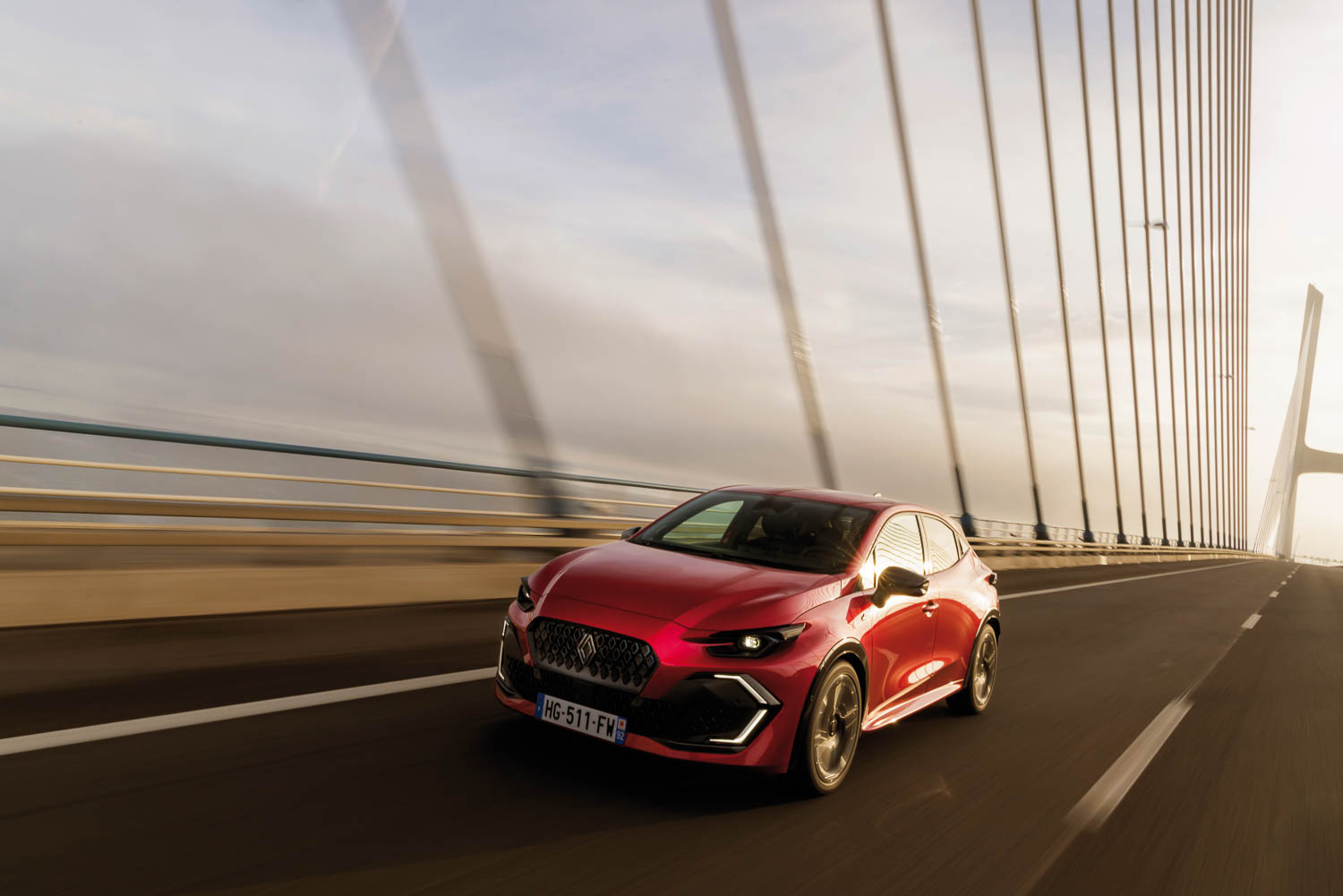
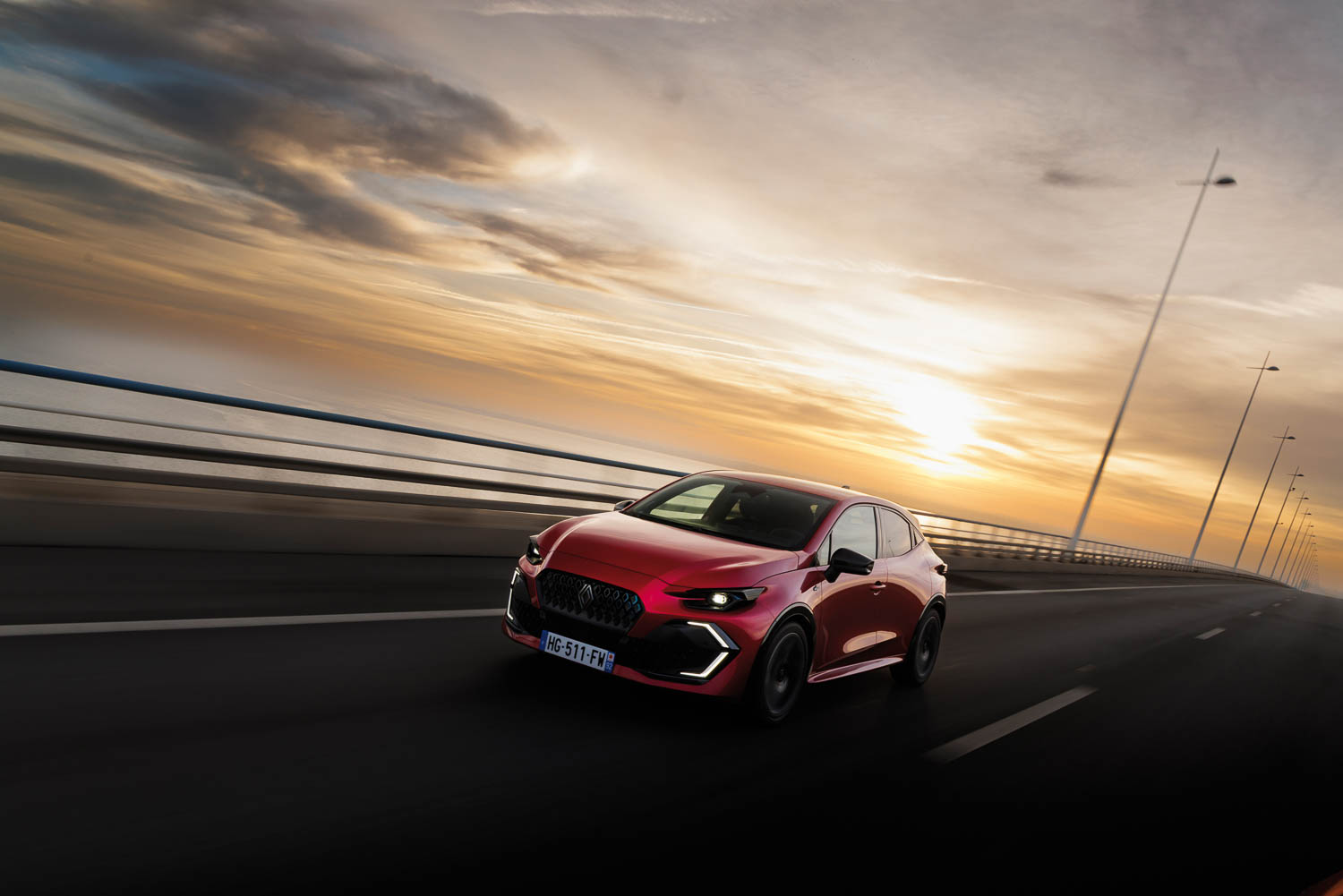
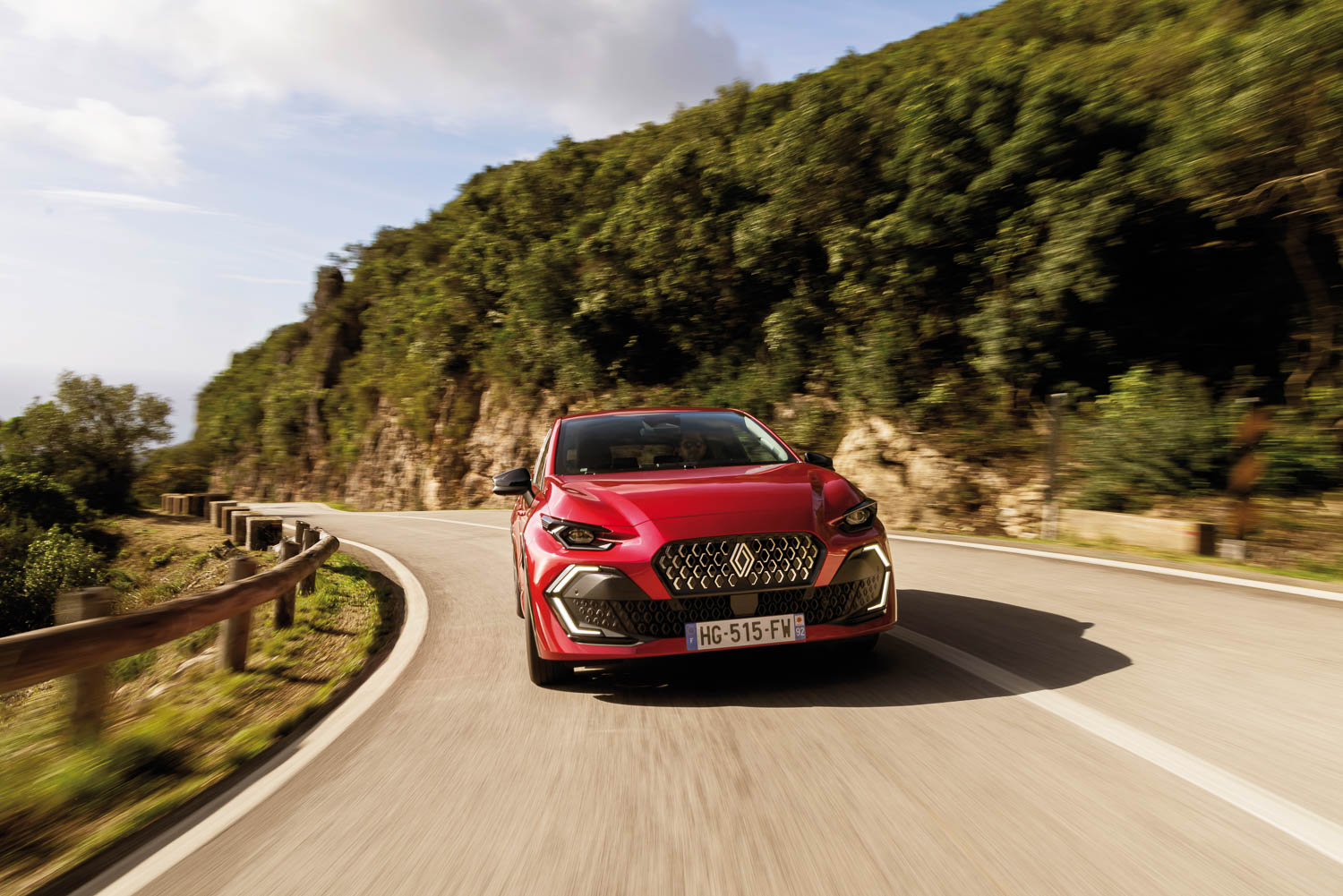
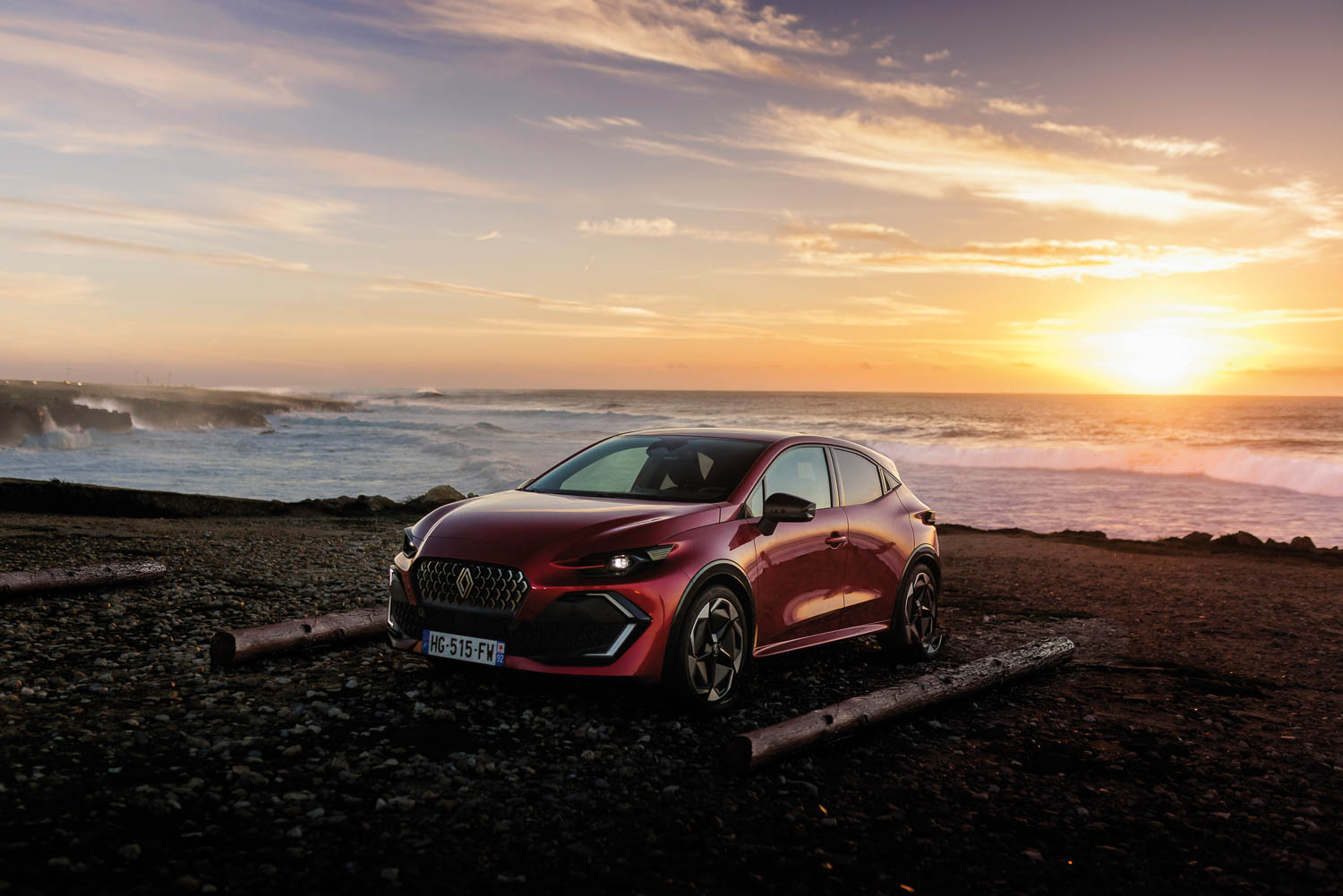
Soft December light glowed over the coastal roads, with waves breaking steadily against the cliffs. The air was crisp, the dunes pale and quiet. The new Clio was there, patiently waiting for me, finished in a deep red that stood out against the concrete Portuguese roads. Without overthinking it, I got in and pulled away.
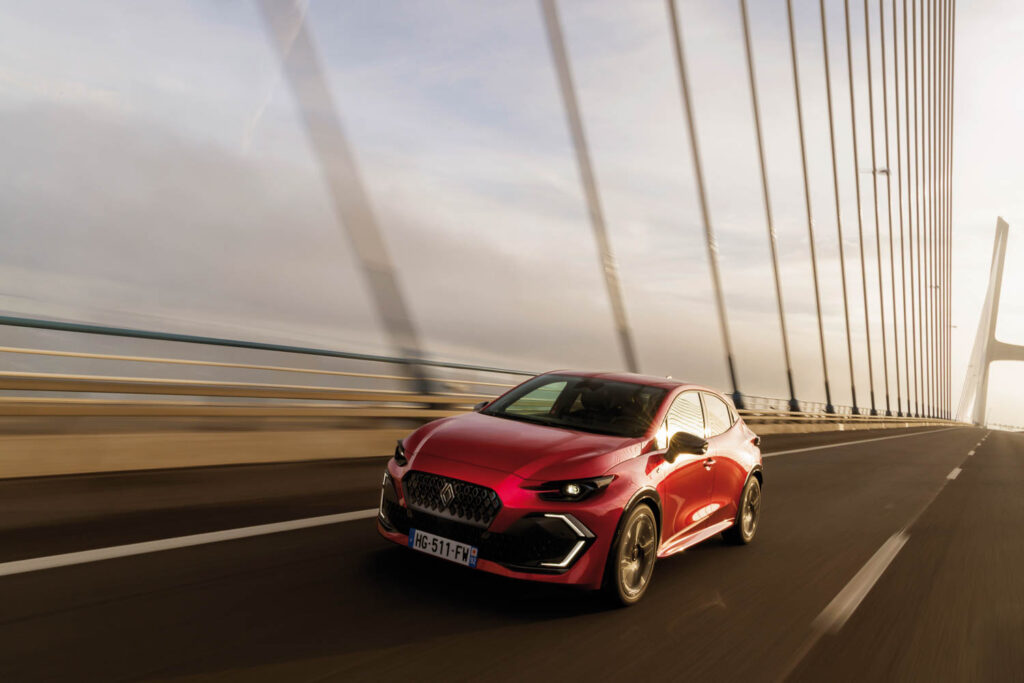
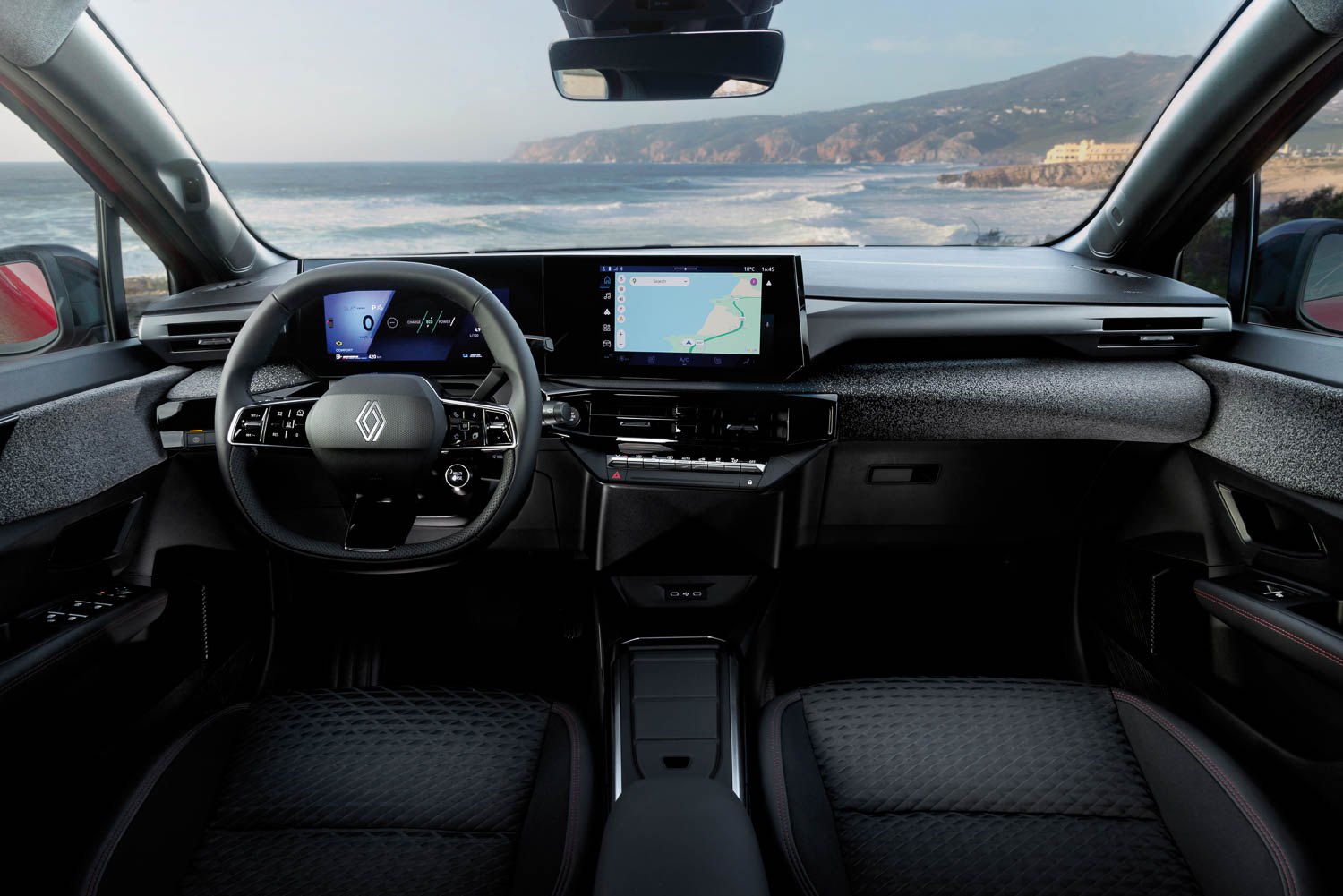
The car accelerated smoothly and almost silently, hovering over the road. Outside, the ocean was loud and restless. Inside, everything felt calm and controlled. My first impression was simple: the Clio felt steady, strong and reassuring.
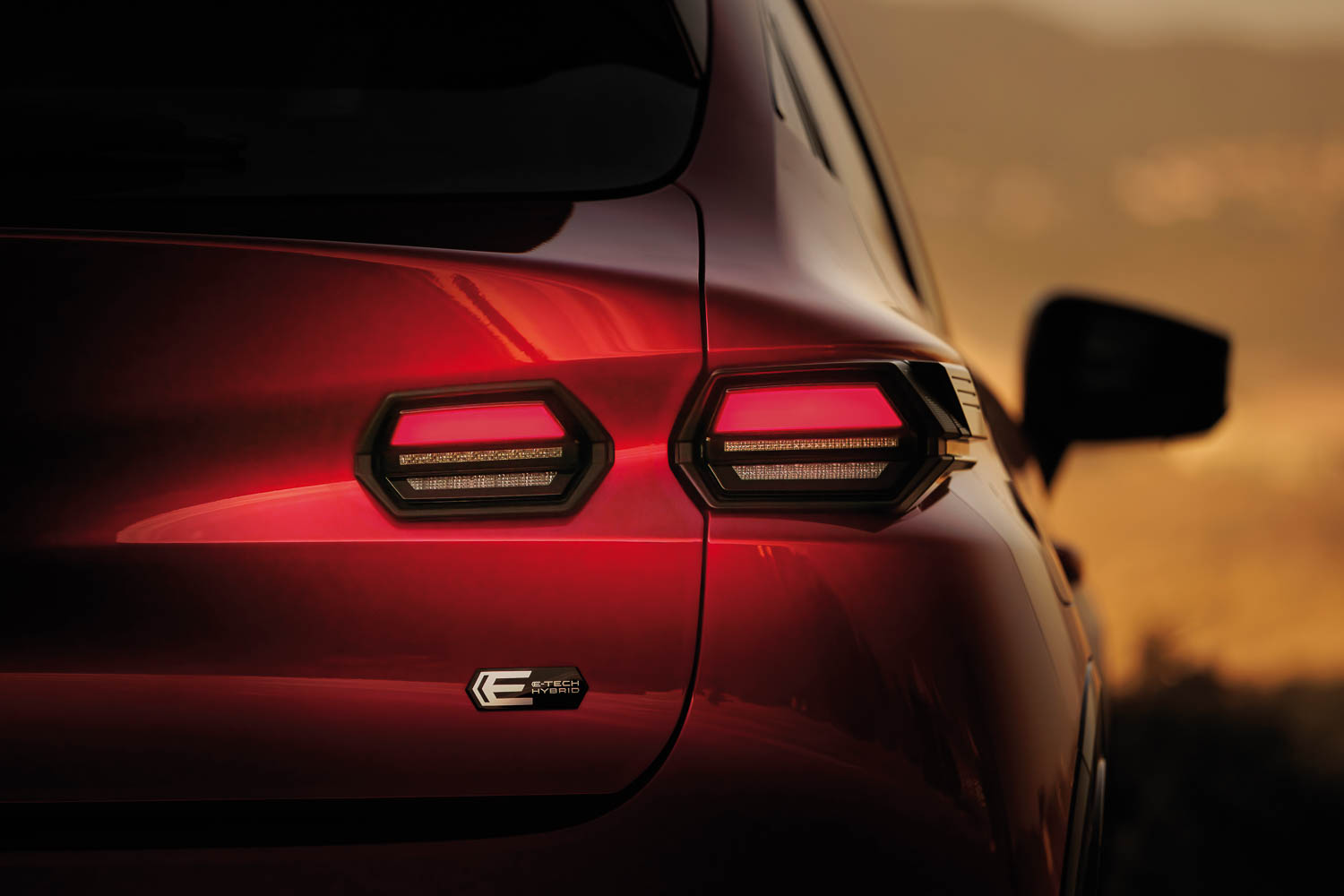
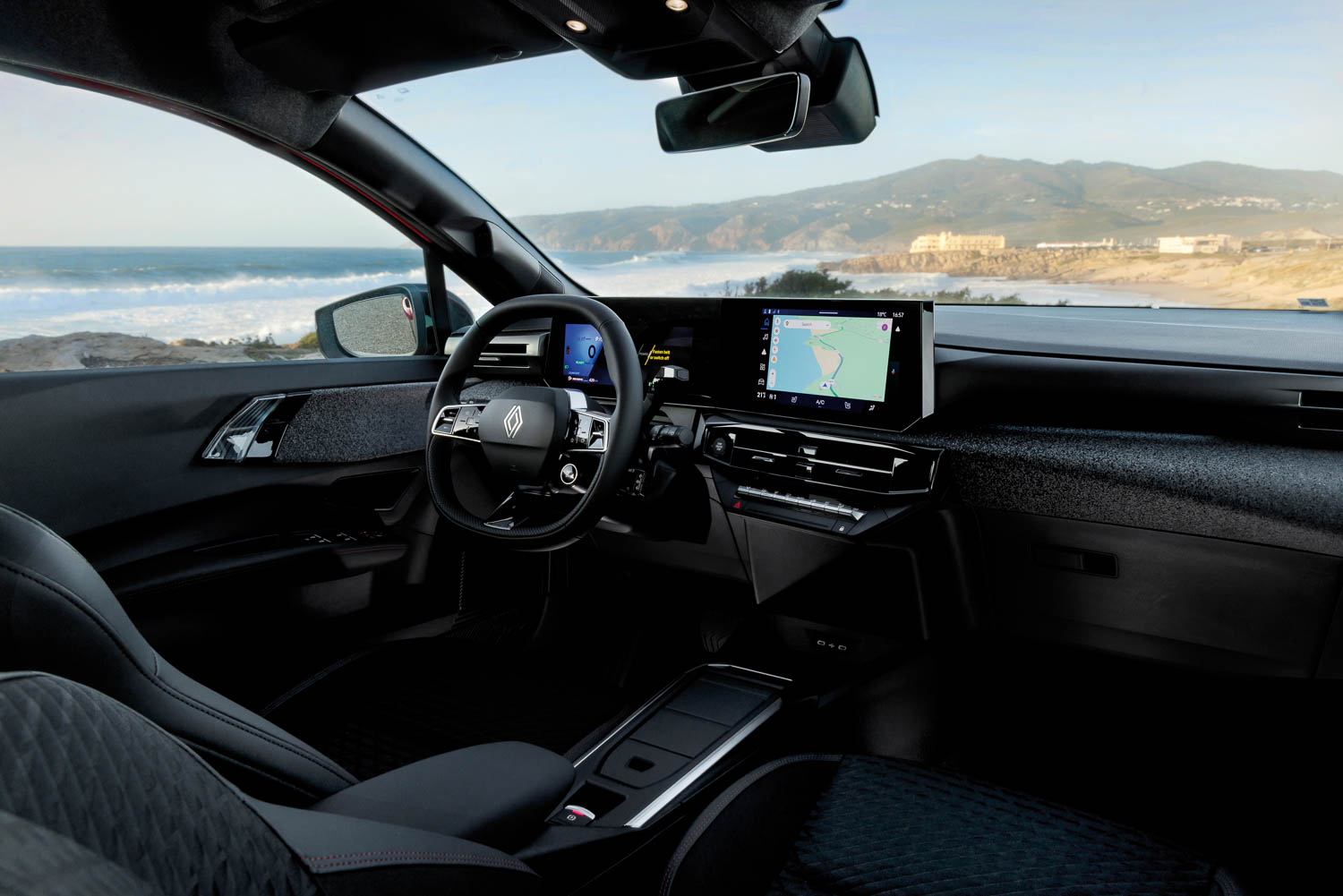
Visually, the car had a bolder presence than its predecessors, with a wider front and sharper lines. Inside, it felt like a strong car and surprisingly spacious for a compact model. In Sport mode, the Clio became more responsive, reacting quickly to small movements of the steering wheel. Despite this, it never felt heavy or demanding. Even on unfamiliar coastal roads and at higher speeds, I felt comfortable behind the wheel and curious to keep driving.
SWITZERLAND
While the test drive itself took place in Portugal, it was hard not to think about how naturally this car would fit into my life in Switzerland.
Before getting back behind the wheel, I managed most of my daily life by public transport, from client meetings in one city to business events in another, often ending with a dinner with friends on the other side of the lake. Thanks to Swiss precision when it comes to trains running on time, it was always workable. Still, it required planning.
I’m currently driving my partner’s SUV around the lake. Small lakeside roads with double-sided traffic can feel tricky at times, particularly when navigating tight parking spots and narrow passages. The Clio feels designed for exactly these kinds of situations. It can navigate Zurich’s busy city centre with ease, manoeuvre the hillside landscapes of Lugano, and cross cantons on the motorway for work without adding stress.
Since moving to Switzerland, driving has become closely tied to my sense of freedom and flexibility as a freelancer. A car doesn’t need to impress to add value; it needs to fit naturally into daily life. Based on my experience behind the wheel, the new Clio makes life easier, not more complicated. And for someone who once relied entirely on a bicycle to get through both Amsterdam and life in general, that shift feels like a meaningful step forward.

The newly relaunched Renault Clio (end of 2025) is simply a beautiful car. Cleaner lines, a more confident stance and a calmer, more refined interior give it a grown-up elegance. Nothing flashy, just design that feels right. In Switzerland, prices start at around CHF 20'000 – a fair entry for style you won’t tire of.