
On the evening of 15 September, around 700 people from the hospitality industry gathered at Les Salles du Carrousel, right beneath the Louvre in the heart of Paris, for the fourth edition of The World’s 50 Best Hotels. Here, the annual ranking of the world’s best luxury hotels was announced, while champagne and caviar were royally served.
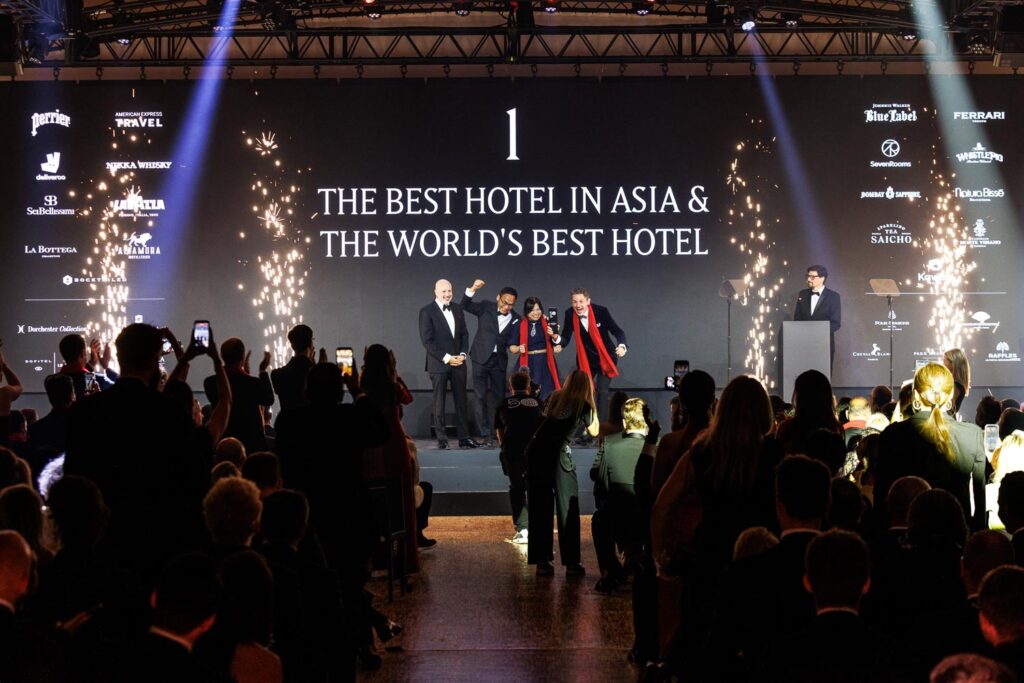
I was among the attendees and watched Rosewood Hong Kong take first place. The moment felt somewhat like déjà vu, as last year I saw Rosewood Hong Kong take the top spot too, albeit in London that time. But amid all the glitz and glamour of the night, I started wondering: what does the ranking actually tell us about luxury in 2026? And what makes some hotels more desirable than others?
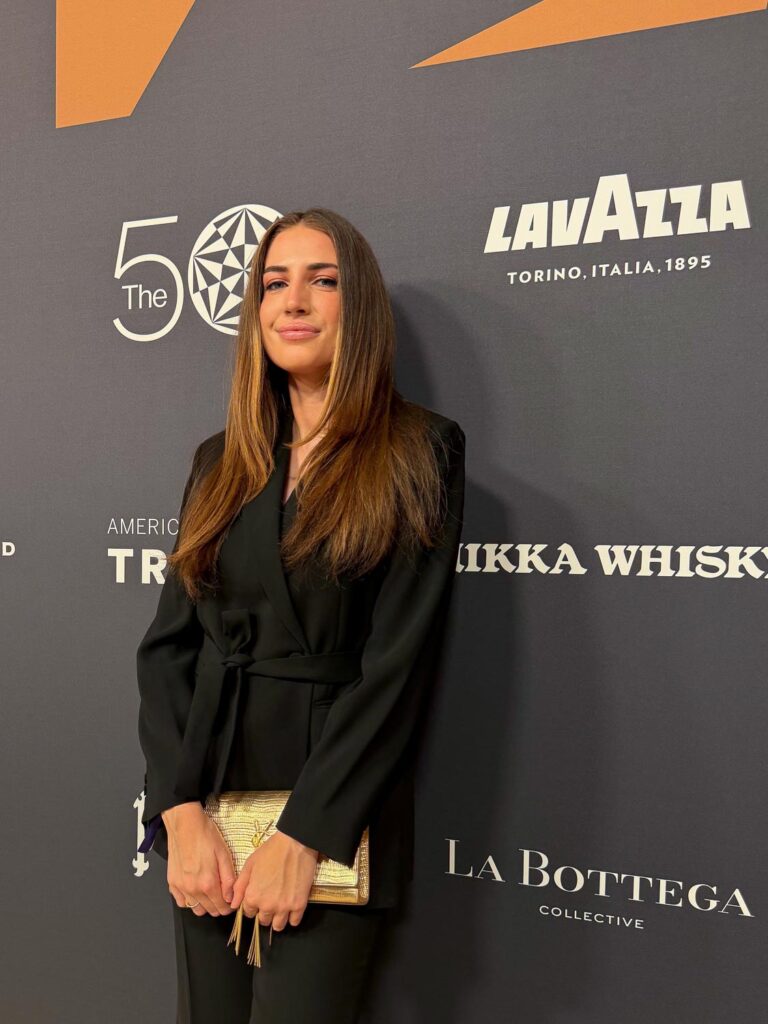
Over three days in Paris, I attended several press conferences and media events, spoke with hoteliers and fellow journalists, and noticed some clear trends. This is what I found out about luxury travel in 2026.
The power of emotion
One speaker I found particularly interesting during the 50 Best Talks was neuroscientist Dr Atom Sarkar, who spoke about the role emotion plays in how we experience and remember travel. Sarkar explained that the moments we remember most are those that trigger an emotion. Based on my own experiences as a travel journalist, I couldn't agree more.
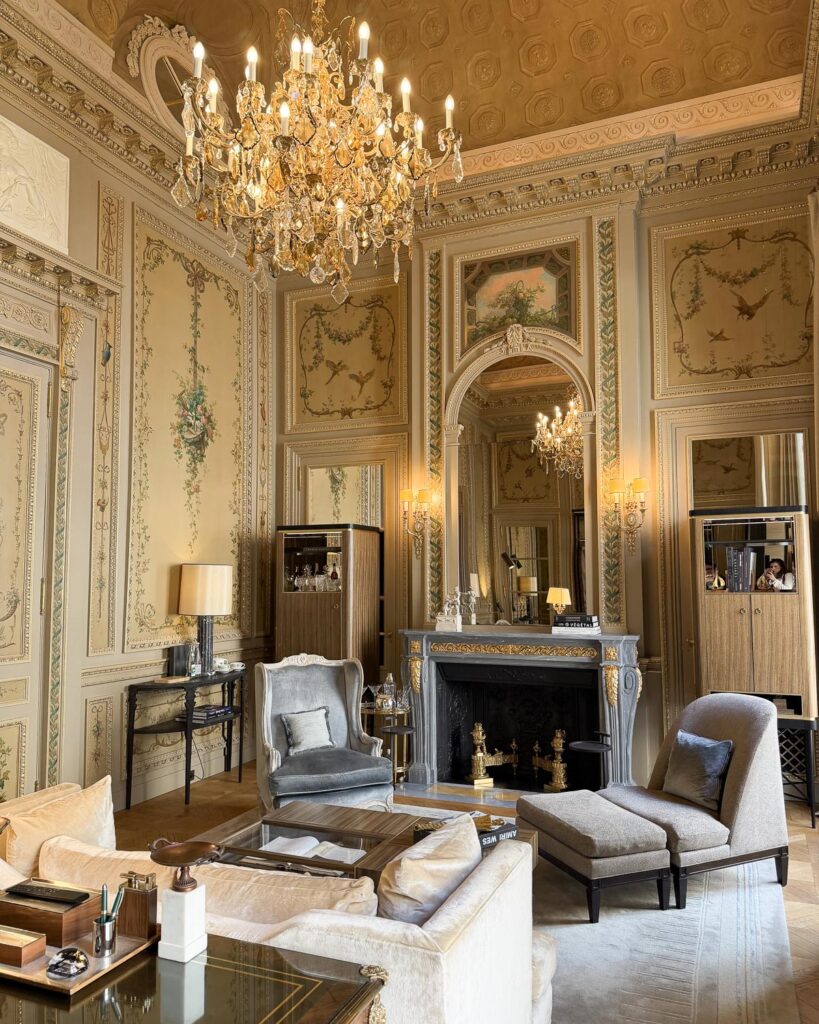
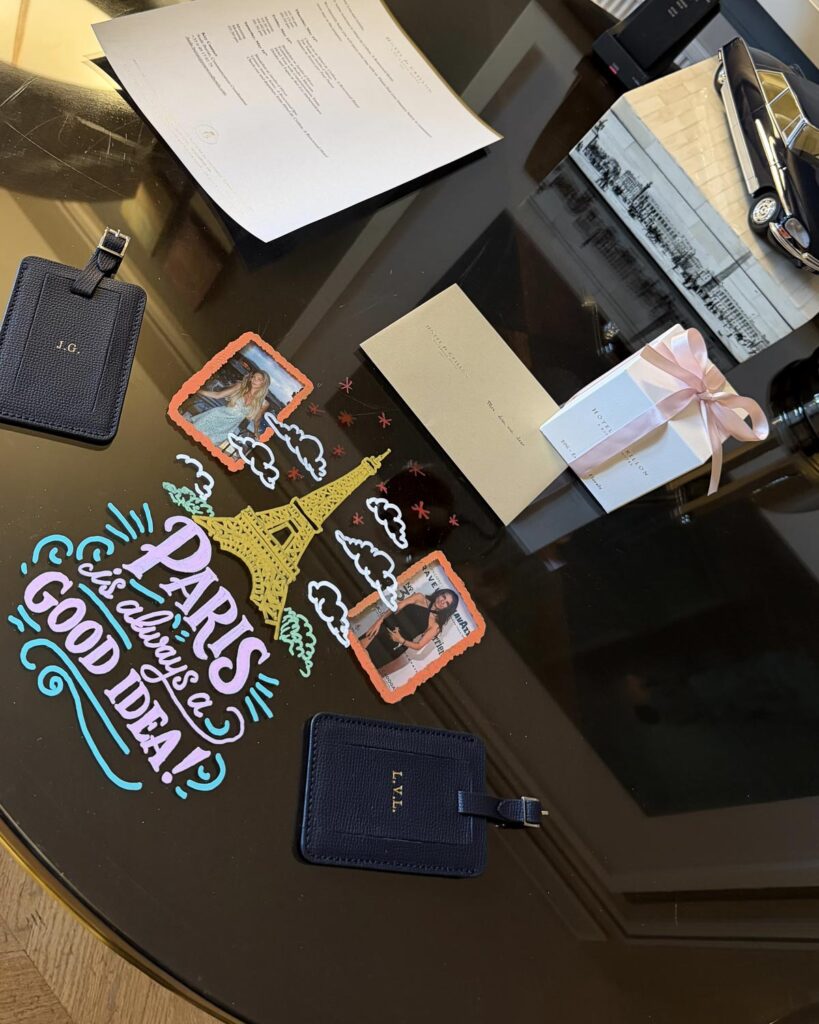
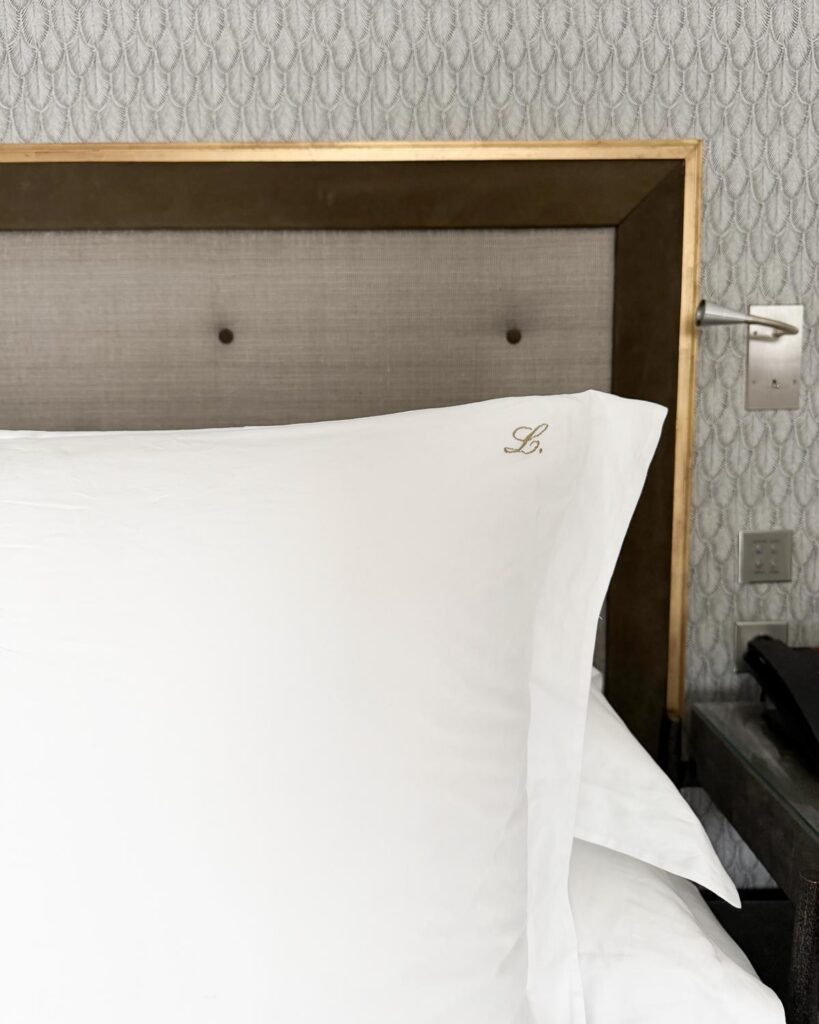
Of all the hotels my work has taken me to this year, Hôtel de Crillon in Paris, ranked No. 14 and the highest-ranked hotel in France, is one I remember particularly well. With its grand salons, chandeliers and Versailles-worthy ballrooms, you might think the reason is obvious. But surprisingly, those aren't the things I remember most. When I arrived, my room was filled with small personal touches: a welcome drawing on the table, handwritten letters and my initials embroidered on my pillowcase and embossed on a leather luggage tag. That same luggage tag is still swinging from my suitcase today and makes me smile every time I see it. Turns out, Dr Sarkar might be onto something.
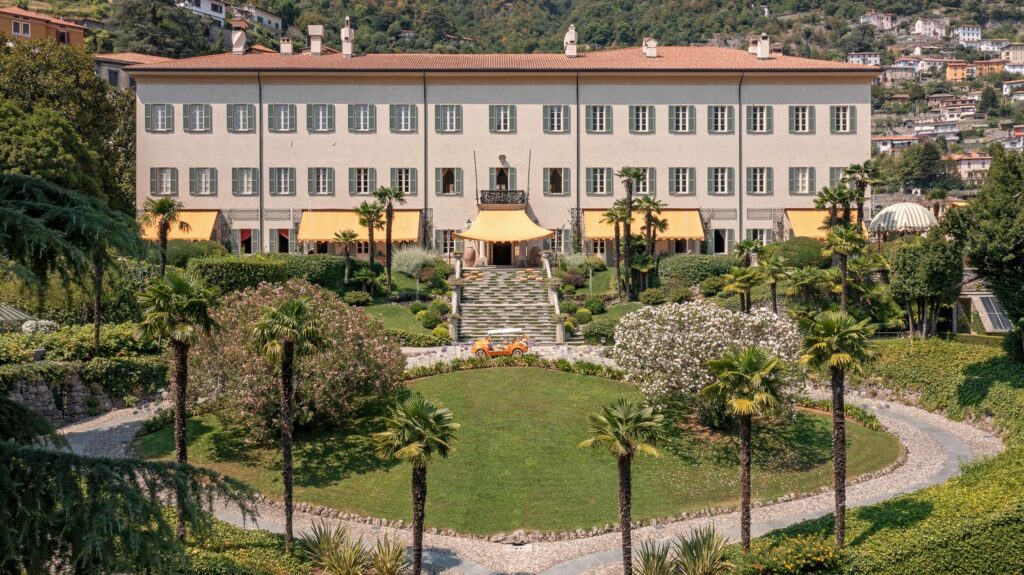
I experienced that same ‘power of emotion’ in a completely different way at Passalacqua, No. 5 on this year's list. Set on the shores of Lake Como in a restored villa, the hotel has only 24 rooms and feels more like a warm Italian home than a hotel. A rather aristocratic Italian home, I have to admit. The rooms are dreamy and, with a simple click of a button beside your bed, a nostalgic soundtrack starts to play. Suddenly, you feel like you've walked straight onto the set of a romantic Italian film. Earlier this year, Ladies Drive interviewed Passalacqua CEO Valentina De Santis about the story behind the hotel. You can read the full interview here.
Connecting with local culture
Another trend I already noticed last year, but which seems to be playing an even bigger role in luxury travel today, is the desire to connect with local culture. According to research presented during the 50 Best Talks, around four in ten travellers now seek genuine connections with local communities when they travel.
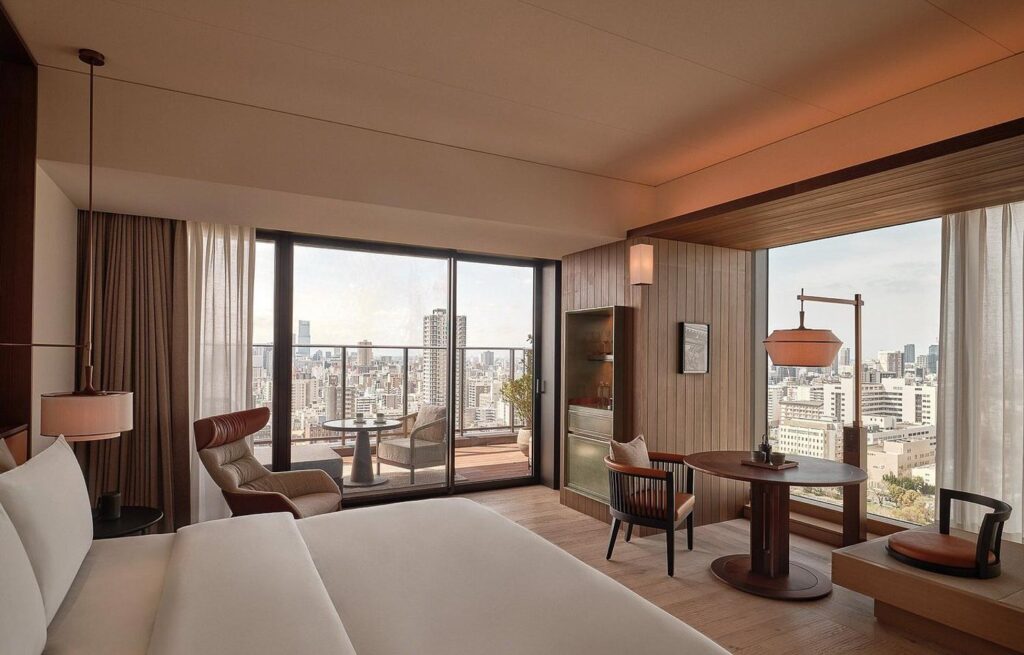
During the media roundtable, I spoke with Ellen Franke, General Manager of Patina Osaka, which opened in May 2025 and entered this year's list at No. 33. She told me how the hotel actively gives a platform to local creatives. While Osaka is probably best known internationally for its food, it also has a thriving creative and music scene. The urban Patina has its own listening room dedicated to vinyl and works with local artists, allowing guests to experience a side of Osaka they might otherwise miss.
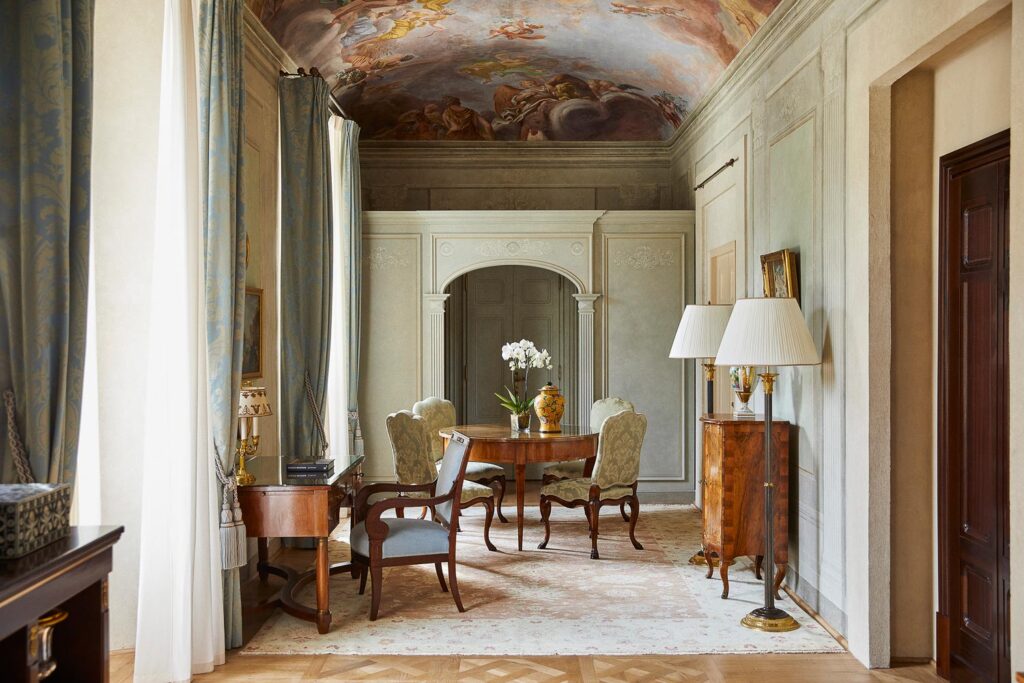
But connecting with local culture is not only about experiencing the present. History can be just as important. Four Seasons Hotel Firenze, ranked No. 12 this year, is a good example. At the property, you check into a historic Florentine palazzo, surrounded by centuries of history, from Renaissance art and original frescoes to its historic gardens. In Florence, everyone can spend all day visiting museums. But here, you actually get to sleep in a piece of its history.
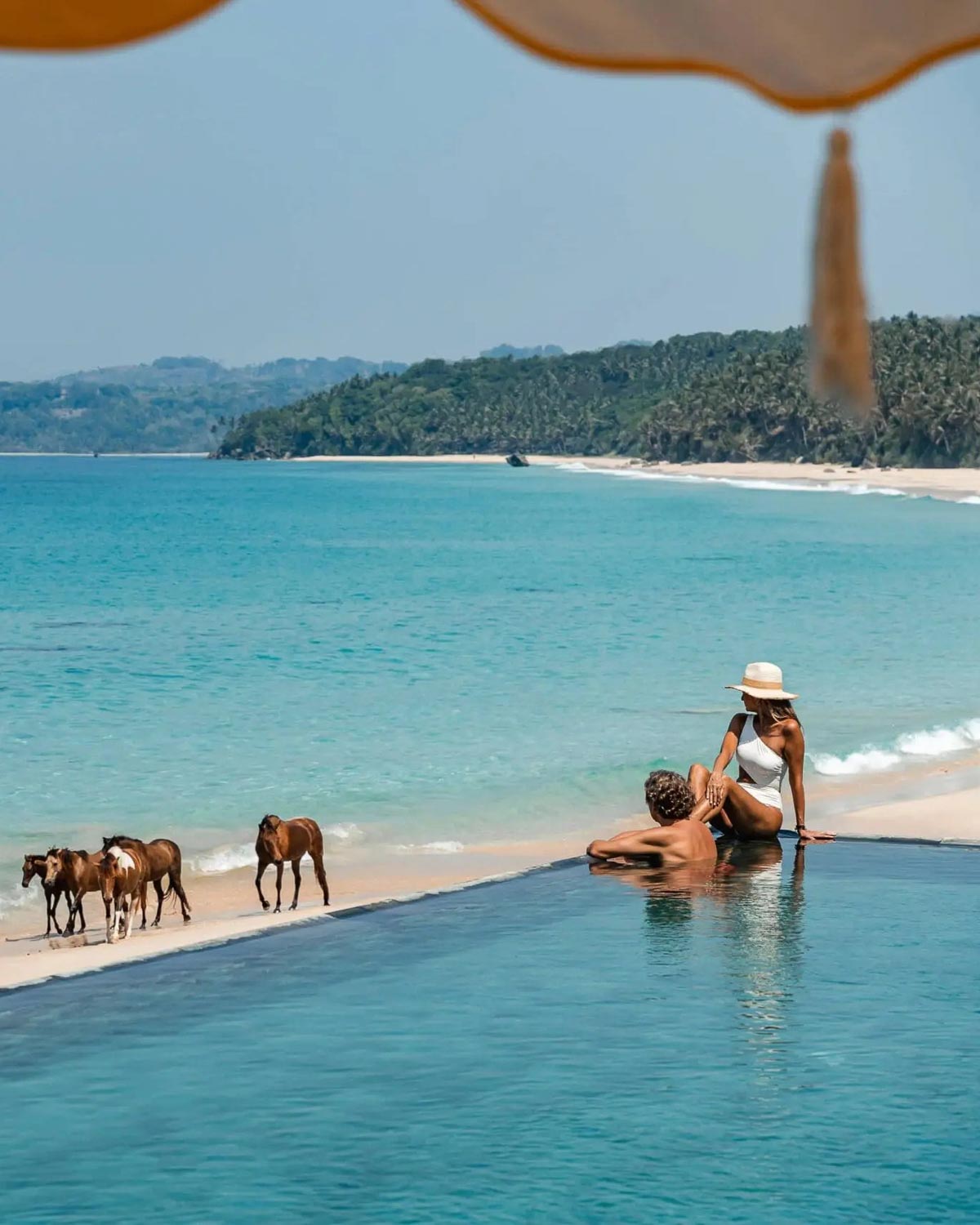
Another hotel that stood out to me on this year's list is NIHI Sumba, ranked No. 35. Just an hour's flight from Bali, Sumba is its much less developed neighbour, known for its incredible beaches and wild horses. During the media roundtable, I spoke with General Manager Sabine Lamberts about the resort's relationship with the local Sumbanese community.
“The local community has been part of NIHI’s story from the very beginning. Through The Sumba Foundation, we support initiatives across healthcare, education, clean water and local livelihoods, while also working with local farmers, artisans and weavers. For us, it’s important that the community is not separate from the guest experience, but part of it. Our intention is for tourism to create meaningful opportunities for the people who call the island home.”
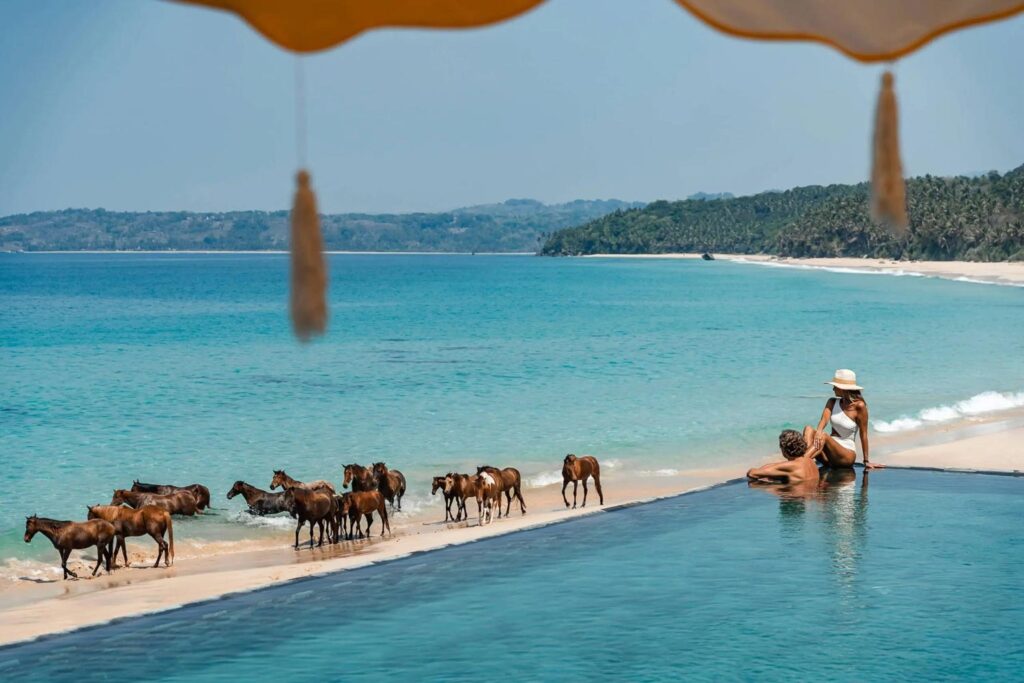
Guests can also experience Sumbanese culture through village visits and local arts and crafts, getting to know the island beyond its spectacular landscape.
Service is becoming less transactional and more personal
One of the key takeaways from this year's awards builds on a trend we already saw last year: luxury travel is becoming more personal and less transactional.
I spoke about this with Jacques Linschoten, Director of Guest Experience at Mount Nelson, a Belmond hotel in Cape Town overlooking Table Mountain, which ranked No. 34 this year. He told me that personal service often comes down to staff paying attention to the smallest details. I asked him what that looks like in practice, and he gave me an example:
“A member of staff was picking up one of our guests at the airport and overheard him talking about a book he really wanted to read, but it was sold out at all the airport bookstores. Without the guest knowing, the staff member went looking for the book at a bookstore in Cape Town and managed to find a copy. When the guest returned to his room that evening, after turndown service, the book was waiting for him on his bed as a surprise.”
Wellness is moving beyond the spa
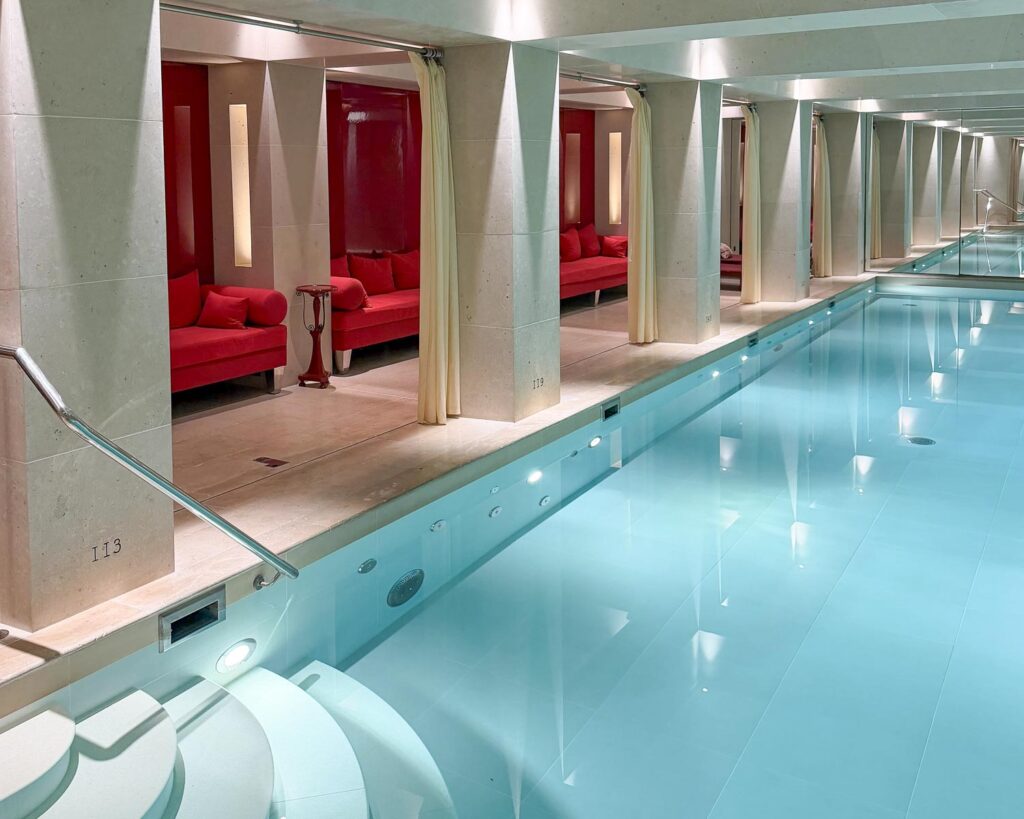
Wellness has become difficult to separate from luxury travel. Another theme that came up during the 50 Best Talks was that travellers no longer necessarily want a holiday from their healthy routines. Where holidays were once a time to let go of routines and indulge, travellers increasingly want to maintain the habits that make them feel good. Sleep, fitness and recovery are becoming part of the stay, rather than something guests leave at home.
During my stay in Paris, I had the chance to chat with Sophie Levy-Kraemer, Director of Spa Nescens Activities, about how the role of wellness in hotels is changing. La Réserve Paris, ranked No. 51 this year, is an intimate boutique hotel where wellness plays an important role in the overall stay.
Sophie told me that guests are increasingly thinking not only about how they will feel during their stay, but how they will feel when they leave. And if you look at La Réserve, wellness no longer stops at the spa door. It is moving into hotel rooms, menus and daily routines, from nutrition and electrolytes to fitness and biohacking. A beautiful treatment room and a good massage are no longer necessarily enough. The ambition is much bigger: for guests to check out feeling better than when they checked in.
Conclusion
So, what does the ranking actually tell us about luxury in 2026? Comparing an urban tower in Hong Kong with a Renaissance palazzo in Florence or a remote resort on an Indonesian island is, of course, almost impossible. But what this year's list suggests is that beautiful rooms and spectacular locations alone are no longer enough. What sets these hotels apart is what happens once you check in and what you will still remember after checking out.
There was one thing that did surprise me this year. For a country that knows a thing or two about luxury hospitality, Switzerland has only one hotel in the top 50: Badrutt's Palace in St. Moritz, at No. 36. Perhaps we still have some work to do.
How is the ranking decided?
Each year, The World’s 50 Best Hotels Academy brings together around 800 international voters, including hoteliers, travel journalists and experienced luxury travellers, who vote for the best hotel experiences they have had during the voting period.
The World’s 50 Best Hotels 2026
Find the full ranking below.
1. Rosewood Hong Kong, Hong Kong
2. Capella Bangkok, Bangkok
3. Four Seasons Bangkok at Chao Phraya River, Bangkok
4. Atlantis The Royal, Dubai
5. Passalacqua, Lake Como
6. Rosewood São Paulo, São Paulo
7. Mandarin Oriental Qianmen, Beijing
8. Upper House Hong Kong, Hong Kong
9. Chablé Yucatán, Chocholá
10. Mandarin Oriental Bangkok, Bangkok
11. Aman Tokyo, Tokyo
12. Four Seasons Firenze, Florence
13. Claridge's, London
14. Hôtel de Crillon, Paris
15. Jumeirah Marsa Al Arab, Dubai
16. Capella Sydney, Sydney
17. Raffles Singapore, Singapore
18. Casa Maria Luigia, Modena
19. Le Bristol, Paris
20. Cheval Blanc Paris, Paris
21. Desa Potato Head, Bali
22. San Ysidro Ranch, Santa Barbara
23. One&Only Mandarina, Riviera Nayarit
24. Bulgari Tokyo, Tokyo
25. Las Ventanas al Paraíso, Los Cabos
26. Royal Mansour, Marrakech
27. Four Seasons Astir Palace, Athens
28. Raffles London at The OWO, London
29. Copacabana Palace, Rio de Janeiro
30. The Taj Mahal Palace, Mumbai
31. The Peninsula Istanbul, Istanbul
32. Bulgari Roma, Rome
33. Patina Osaka, Osaka
34. Mount Nelson, Cape Town
35. Nihi Sumba, Sumba Island
36. Badrutt's Palace, St. Moritz
37. Park Hyatt Kyoto, Kyoto
38. Hôtel du Couvent, Nice
39. Portrait Milano, Milan
40. Hôtel de Paris Monte-Carlo, Monaco
41. Plaza Athénée, Paris
42. Hotel Sacher Vienna, Vienna
43. Estelle Manor, Witney
44. Hotel du Cap-Eden-Roc, Antibes
45. Amangiri, Canyon Point
46. The Peninsula Hong Kong, Hong Kong
47. Maroma, Riviera Maya
48. Aman Nai Lert, Bangkok
49. The Connaught, London
50. San Domenico Palace, Taormina