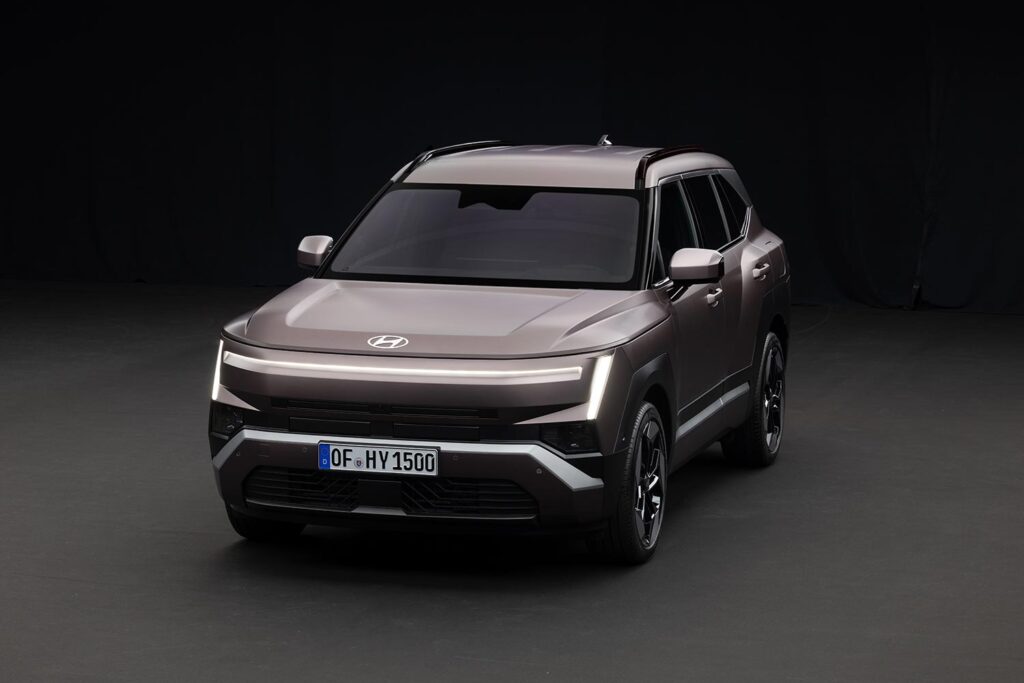
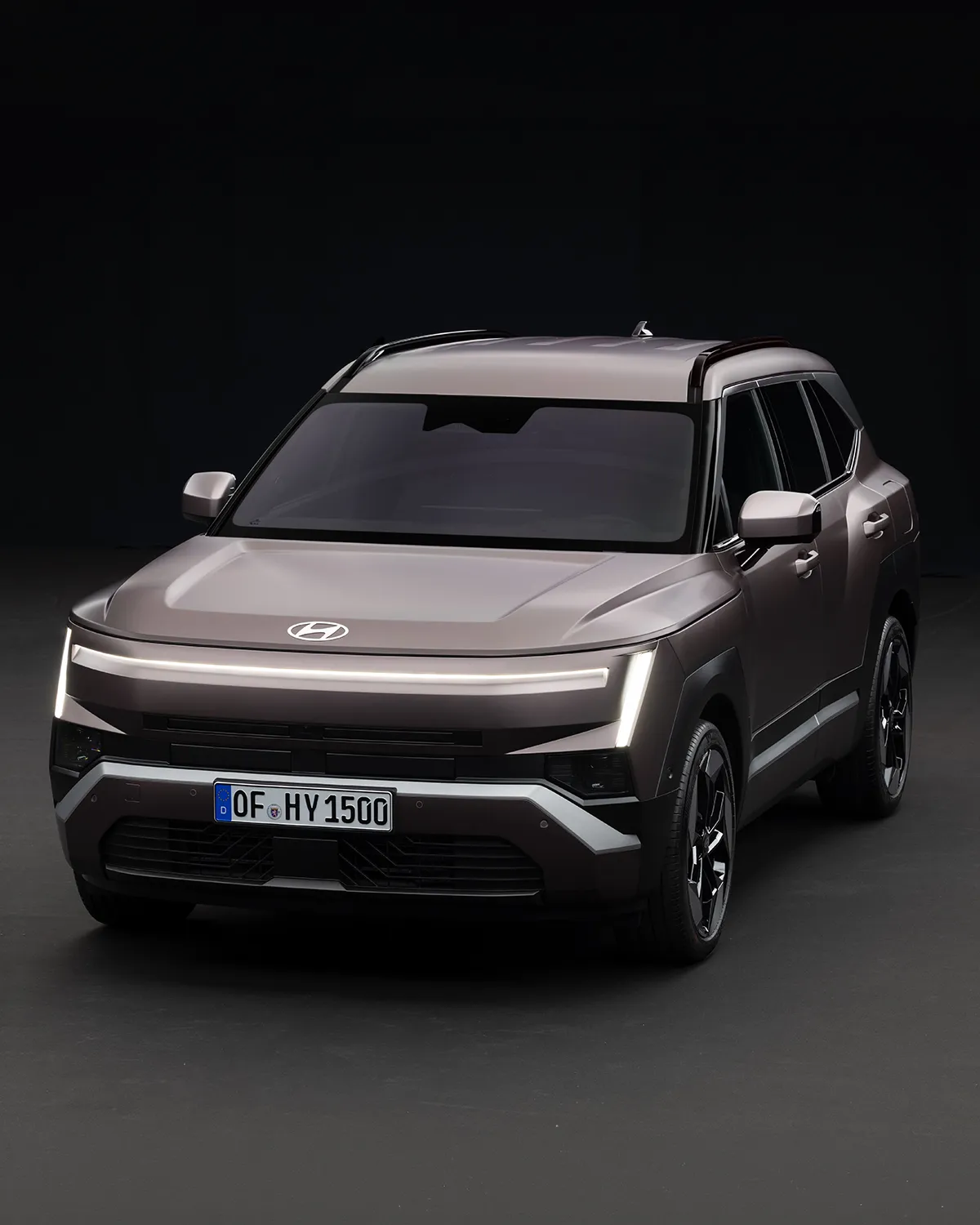
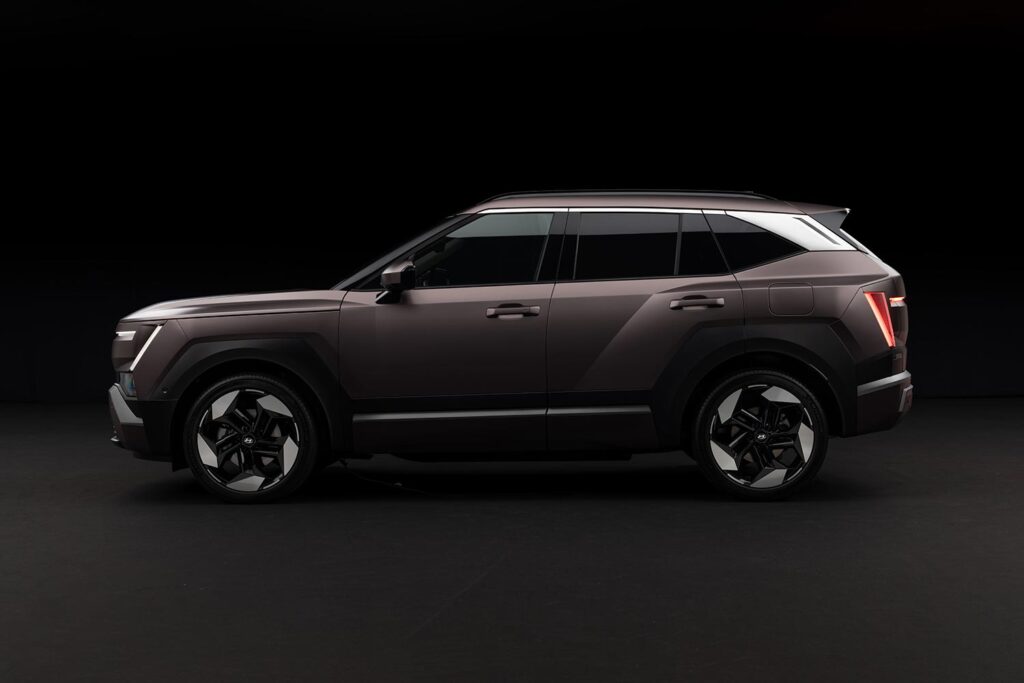
Muscular, confident and strong. During an exclusive preview of the all-new Hyundai TUCSON in the Netherlands, one word kept coming to mind: masculine. But what actually defines a car as ‘masculine’? And in 2026, do we still need to distinguish between masculine and feminine cars at all?
Last week, Ladies Drive travelled to the Netherlands for an exclusive first look at Hyundai’s all-new TUCSON. And while there is plenty to talk about when it comes to technology, driving comfort and functionality, it was the striking design that caught my attention first.
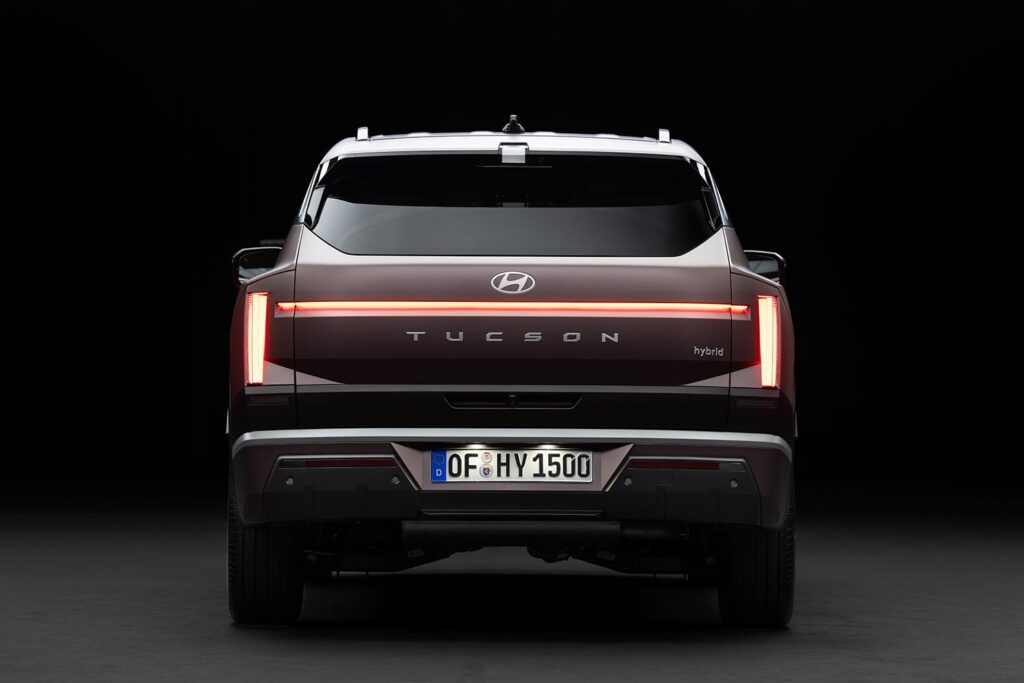
With the latest generation of the TUCSON, everything feels a little stronger and bigger than before. If you’re looking for a cool and sexy car to make an entrance, this will definitely do it.
Hyundai calls the philosophy behind its design “Art of Steel”, with the strength of steel playing an important role in the overall look of the car.
Eduardo Ramírez Cárcamo, Director of Hyundai Design Center Europe, describes the result as “commanding”, but at the same time refined and easy to understand.
Who says women want a ‘female’ car?
When I asked Eduardo how the needs of female drivers influenced the design process, his answer was refreshingly straightforward.
“I believe women also like cars that men like. I don’t think it’s so different,” he told Ladies Drive. “We avoid the stereotype of doing what we would believe is a more female car.”
Instead, Hyundai looks at lifestyle and how different people actually interact with a car. The all-new TUCSON is not designed around a specific gender or age, he explains, but for customers with an active lifestyle.
And perhaps that says something about automotive design today. Women don’t necessarily need a product to be softened or feminised in order for it to appeal to them. Personally, I find strength and character just as attractive.
When I asked whether he saw the new car as an urban SUV or something designed for more adventurous surroundings, Eduardo was clear: it is intended to do both.
“It’s very multifunctional. It’s a very versatile design,” he said. “We wanted to reinforce this confidence, this commanding image.”
For the Swiss market in particular, that philosophy makes sense. From navigating the city during the week to heading into the mountains at the weekend, the car needs to work in very different situations. The back seat is remarkably spacious and there is plenty of room for everything that comes with an active lifestyle, whether that means dropping the kids off at school, packing for a weekend in the mountains or taking your beloved dog along for a road trip.
Designed before it even exists
But if a car is meant to work in so many different environments, how do you actually design for all of them?
Eduardo explained that Hyundai designers still start the design process in one of the most traditional ways: sketching by hand. After that, however, the process becomes almost entirely digital.
Designers transform their ideas into 3D models that can be visualised in different environments, from busy streets to desert landscapes. Using virtual reality, the design team can even walk around a full-size version of a car that exists only digitally.
When I asked whether that meant they could place the all-new TUCSON on a Swiss mountain road before building the actual car, the answer was essentially yes. That means that the design team can visualize how the car looks in different surroundings and make adjustments long before the car reaches the road.
Technology without overcomplicating things
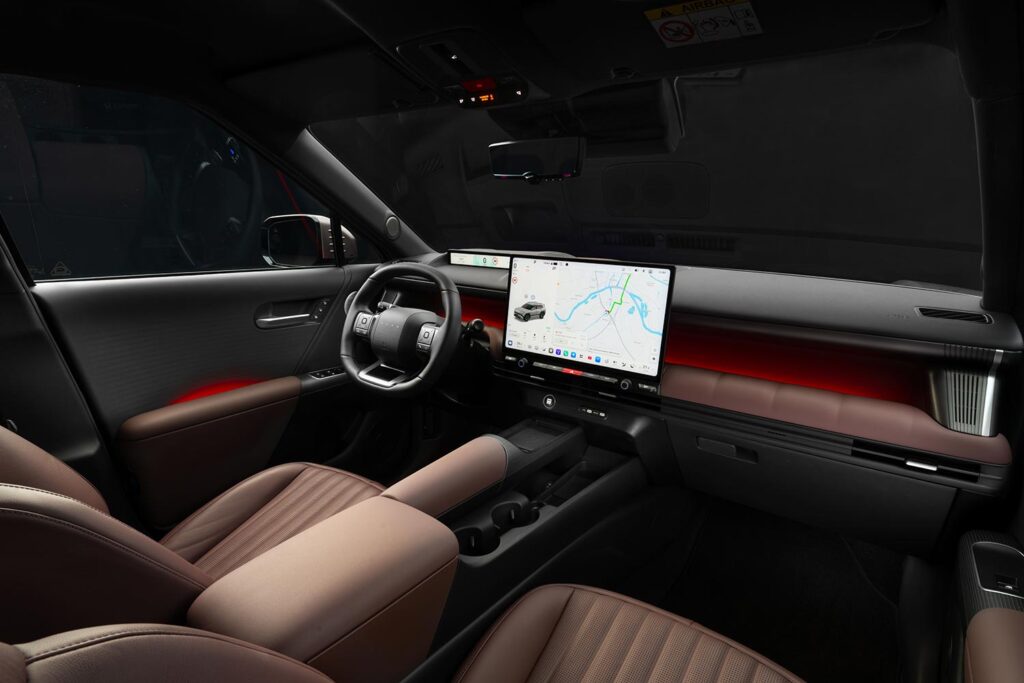
The all-new TUCSON comes with a large central screen and plenty of new technology. But what Hyundai wants to avoid is that all this technology, from music to navigation, makes the driving experience more complicated. The impression I got from our conversation was that the goal of the technology is to make driving easier, not more difficult.
What I noticed when sitting in the car is that essential driving information is positioned directly in front of the driver, so there is no need to constantly look at the central screen. Another detail I found particularly useful is that Hyundai has deliberately kept physical buttons for the most frequently used functions. No need to search through endless menus while driving.
I also asked Eduardo about his favourite new design feature. His answer was surprisingly simple: the extended centre armrest. But after trying it out myself, I understood why. You can comfortably rest your arm while operating the central screen, making something as simple as putting in your destination address or looking for an alternative route feel much easier. There is also plenty of handy storage space around the centre console for your keys, makeup, coffee, or anything you’d like to keep nearby.
There are other thoughtful touches too, from wireless phone charging to comfort-focused seats. And something I thought was particularly useful for Switzerland: an available heated windscreen that can fully de-ice in 15 minutes. You never know when you might need it.
A different kind of confidence
After seeing the all-new TUCSON up close, I wouldn’t say that Hyundai has tried to make an SUV specifically for women, or for men for that matter. And that is exactly the point. The car is big in character, muscular in its proportions and it looks strong. Inside, the focus is on making driving easier and more comfortable without adding unnecessary complexity.
Personally, I like driving a car that makes me feel safe, confident and independent. And although I haven’t had the chance to try the all-new TUCSON on the road yet, it definitely gave me that impression. I could easily see myself driving this bold, powerful-looking SUV through Switzerland.
So maybe the question is no longer whether the all-new TUCSON looks masculine enough for men or feminine enough for women. Maybe we simply don’t need to make that distinction anymore.
The all-new TUCSON will be available in Switzerland from spring 2027