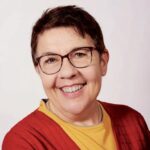
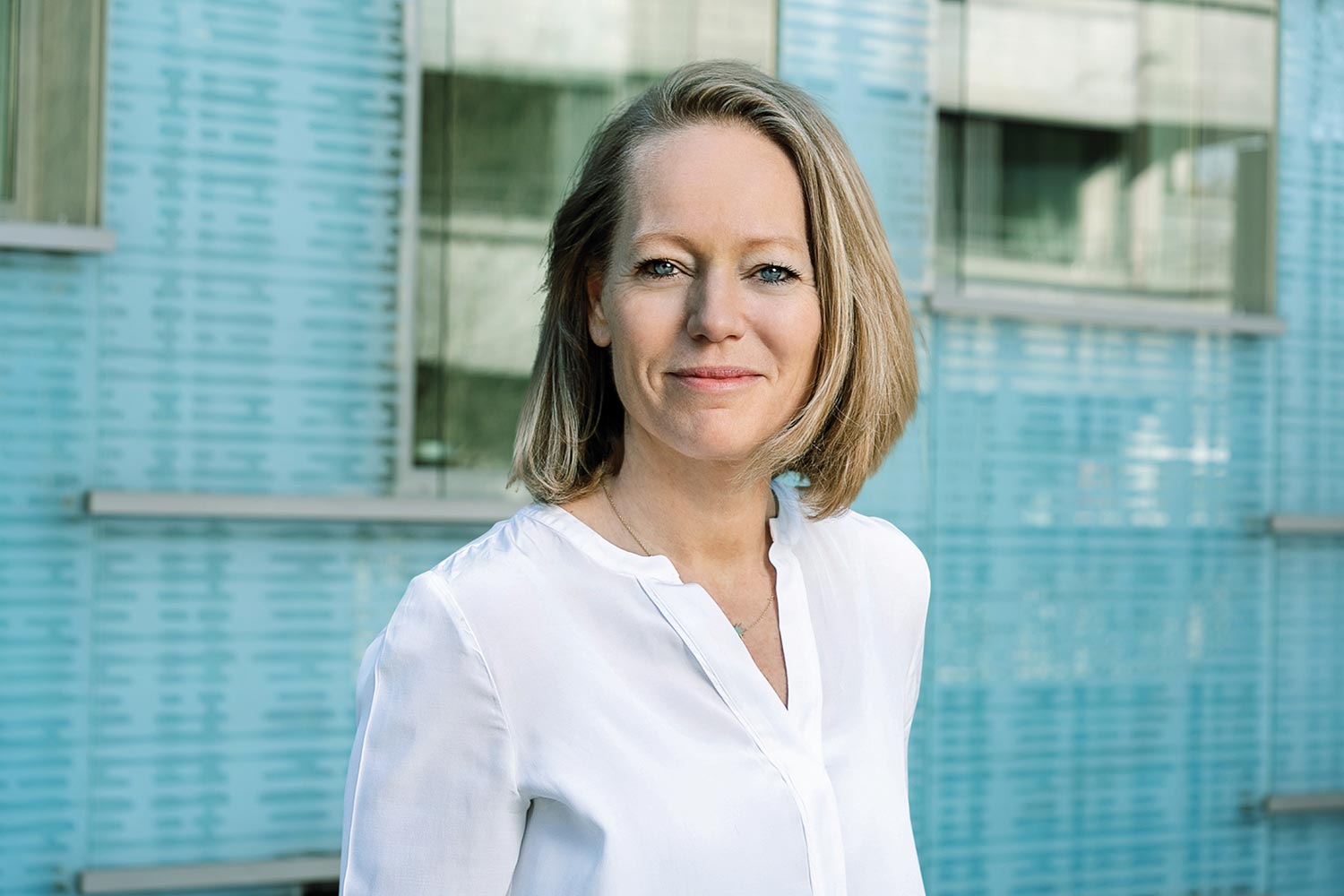


In this candid conversation, she reveals why flexibility beats certainty, how values carry leaders through crises, and why the best careers are written in pencil, not ink.
Ladies Drive: You’ve led major transformations across telecoms, tech, and now energy. What has taught you most about agility as a leader?
Henriette Wendt: For me, agility means two things: empowerment and iteration. Leaders shouldn’t try to predict the next ten years in detail. Instead, we work in short cycles – six months, sometimes less – so we can learn, adjust, and move forward.
That way of working builds resilience: when change comes, you can shift direction without losing momentum.
And empowerment?
It’s the very foundation of leadership. Without it, people can’t do their best work. My role is not to tell people what to do, but to set a clear direction and goals. My teams then find the best way forward, and we refine the path together. Empowerment is about trust – it’s what makes people shine.
You are originally from Denmark but have lived and worked in many different countries: the UK, Sweden, and Switzerland. How did you experience Swiss work culture?
The first shock was the lack of women. In Sweden, my management team was balanced – half women and half men. In Switzerland, I was often the only woman in the room. That is starting to change, but the shift is slow. I try to drive it personally within my own teams. Diversity is important for Axpo – not only regarding women. It gives the company a broader view of things and helps foster innovation. Swiss work culture is also more hierarchical and methodical. Scandinavians are informal, pragmatic, and quicker to experiment. Sometimes I wish Switzerland would adopt new tools or digital solutions faster.
Speaking of digitalisation: this is certainly one of the key themes at Axpo. Does digitalisation drive flexibility?
Definitely – but only once the basics are in place. I often say: first you build the house, then you choose the furniture. At Axpo, digitalisation has made us more efficient and more effective: faster, better quality, fewer resources. The energy sector is moving from centralised power plants to decentralised production – solar panels, wind turbines, and so on. As Switzerland’s largest energy producer – we supply 40% of the energy consumed – we play an important role in this transformation process. Its complexity demands smarter systems and new business models. In many ways, flexibility enables digitalisation, which then creates even more flexibility.
Your motto is that business is built on teamwork and trust. How do you ensure this across cultures?
Trust and empowerment are two sides of the same coin. You can only empower people if they have transparency – if they see the bigger picture and know whether it makes sense to go left instead of right. In global teams, that clarity is essential. Strong leadership teams aren’t just a group of brilliant individuals; they’re people who respect and like each other, who align on goals, and who communicate openly. You really discover the strength of a team when you’re under pressure or in crisis.
Can you share a situation where flexibility strengthened trust?
When I moved to Sweden, the company was emerging from a corruption scandal. Everyone was under fire, and my team was new and uncoordinated. We were talented individually but ineffective together. Instead of pushing harder, I took a time-out: we sat down to figure out how we wanted to work, what rules we needed, and how we could support one another. At first, my team thought this was a luxury we couldn’t afford under so much pressure. But the result was the opposite – we became more resilient, more united, and far stronger in the long run.

What are your non-negotiables as a leader?
First, people come first. In transformation, strategies change, projects shift, and priorities are rewritten. But you always have to ask: what does this mean for the people? Nothing succeeds without alignment.
Second, I live by values – not the ones written on posters, but the ones you practise daily. In tough times, values are your operating system.
Third, transparency. No surprises. Whether news is good or bad, I prefer being upfront. That honesty is the foundation of trust.
Your advice to future leaders – especially women – on “survival of the flexible”?
Keep your options open. Don’t plan too far ahead or assume careers are straight lines. Create opportunities by staying curious, talking to people, and networking. Studies show that those who build broad networks often find better opportunities and earn more. Sometimes you’ll accept a job that isn’t perfect, but it can open unexpected doors. Flexibility is about creating choices, not sticking rigidly to a plan.
Did you ever take an unplanned path yourself?
Always. I never had a master plan. I studied economics to keep doors open, then went to Paris for my master’s. Later, I joined consulting because it left many options on the table. And throughout my career, the biggest opportunities arrived at inconvenient moments. You rarely feel fully ready, but you need to take the risk anyway. Flexibility, trust in yourself, and courage to step in – that’s what has shaped my journey.