She knows the industry from the inside, having spent years in conventional trade before she could no longer look away from what it was doing to the people growing the goods.
So she built something completely different: a company shaped entirely by her own vision. Seven years in, she still has the same persistence – and real success in a tough industry.
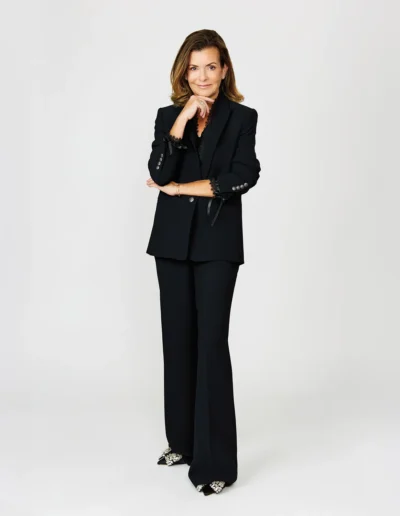
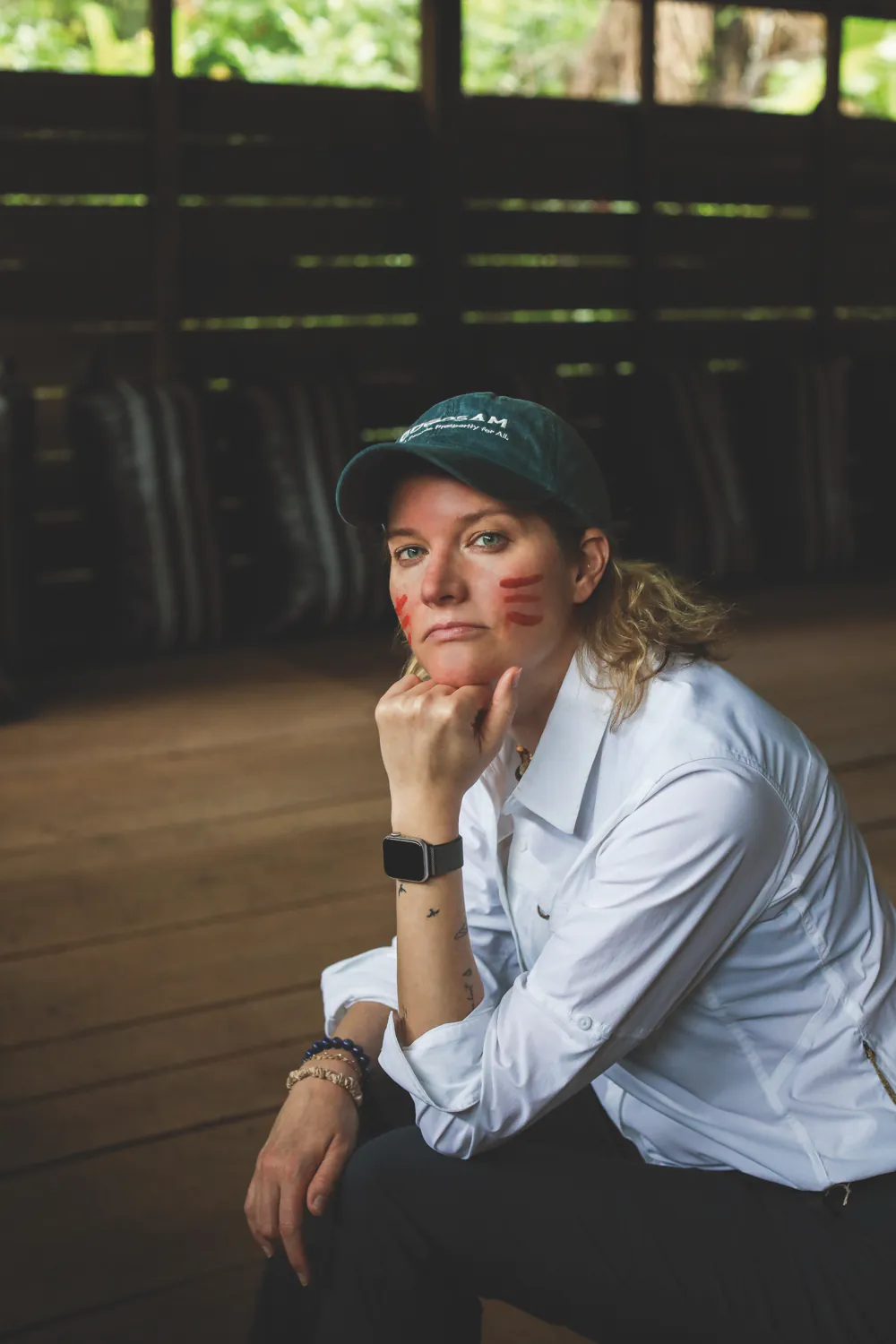
Heather Terry (46) holds bachelor’s and master’s degrees in fine arts and later attended culinary school. She lives with her twelve-year-old daughter in Greenwich, Connecticut.
Question the system. Then rebuild it.
Heather Terry
Ladies Drive: Your mother, who immigrated from Poland, begged you and your siblings never to set foot on a farm because, to her, that was a sign of her past life of scarcity and poverty. But you did! What made you choose this industry, of all things?
Heather Terry: I grew up very American: you do what everyone else does, what you’re told to do. That was me until I started digging beneath the surface, and I was horrified. So many middlemen stood between me and the end product, far removed from the reality on the ground. I remember a farmer telling me that her Fairtrade certification had funded yet another community centre – one she didn’t need. Stories like that kept piling up until I could no longer unsee what was happening. At some point, you’re called to act. That moment came in 2019.
The price a farmer receives is often set by traders on the other side of the world, with no connection to what is actually happening on the ground. What does that gap look like up close?
The commodities market is a dirty game. I’ll say something controversial: I think it should be eradicated completely. Quality should matter. If you produce a high-quality product, you should be paid more for it. But the market swings up and down regardless of quality, hurting exactly the people who are doing things right.
Yes, and we tell ourselves this story: rich countries save poor countries through aid and donations. But if we look more closely, we take the cheap raw materials, sell back the expensive finished goods, and keep the profit. Then we donate a fraction of it back and call it generosity. If we designed the system fairly, it would solve much of the poverty problem.
Exactly. This whole system of aggregated trade only took shape after the Second World War, born out of convenience. Since then, more layers have wedged themselves in, each taking a cut at the expense of farmers and, eventually, consumers too. So I ask everyone in the food industry the same uncomfortable question: what is actually enough? Does a CEO really need a twenty-five-million-dollar salary? That definition of success is being questioned everywhere right now.
What does your company, GoodSAM, do differently, concretely?
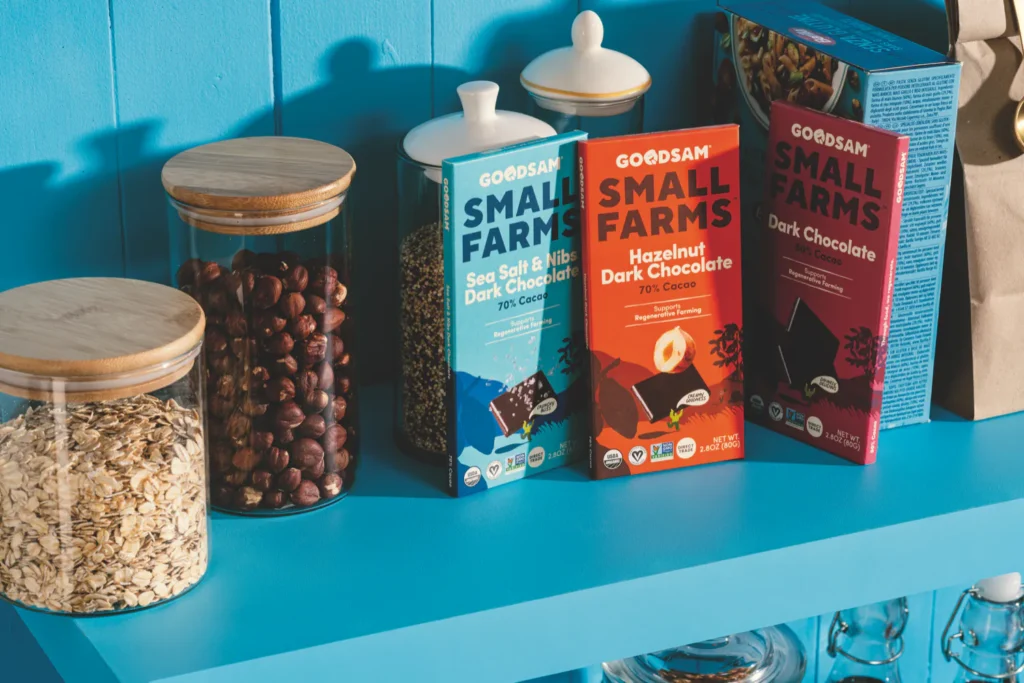
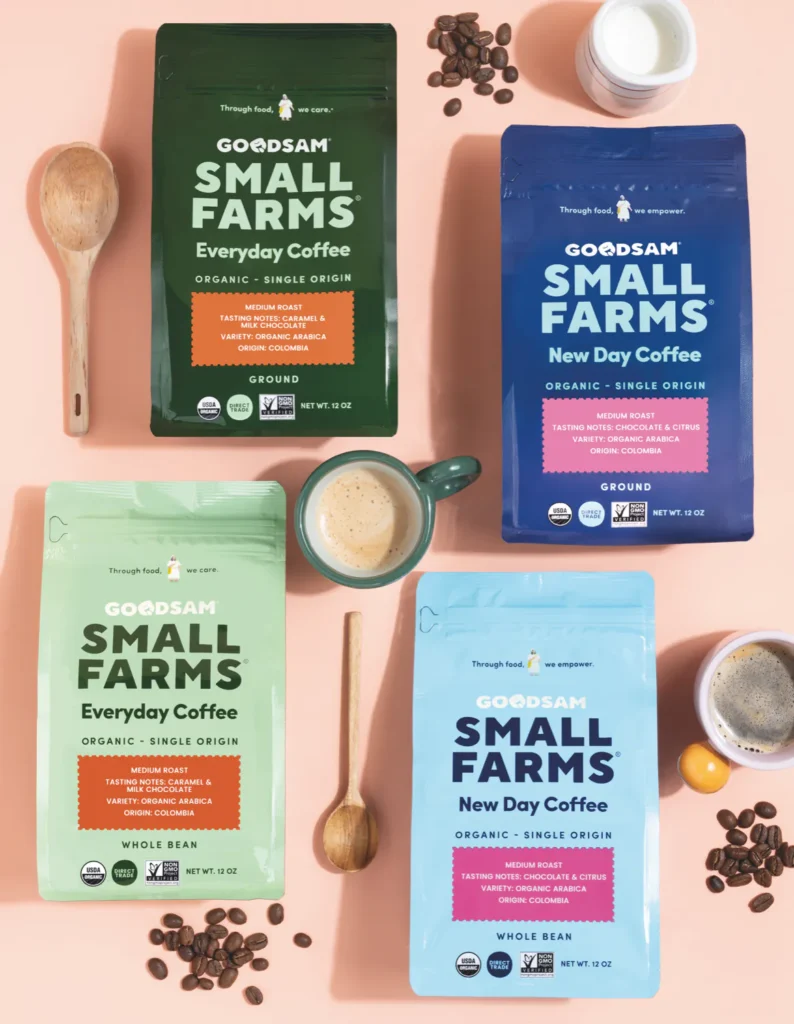
On the surface, we sell nuts, chocolate, coffee, and fruit from eight countries, built
on regenerative agriculture and direct partnerships with farmers. Underneath, it’s about more: strengthening the economics of farmers and businesses like ours to shift the food system at its core. Our customers don’t need to understand that, but it’s our actual reason for existing.
How do you make sure you genuinely understand the farmers you work with?
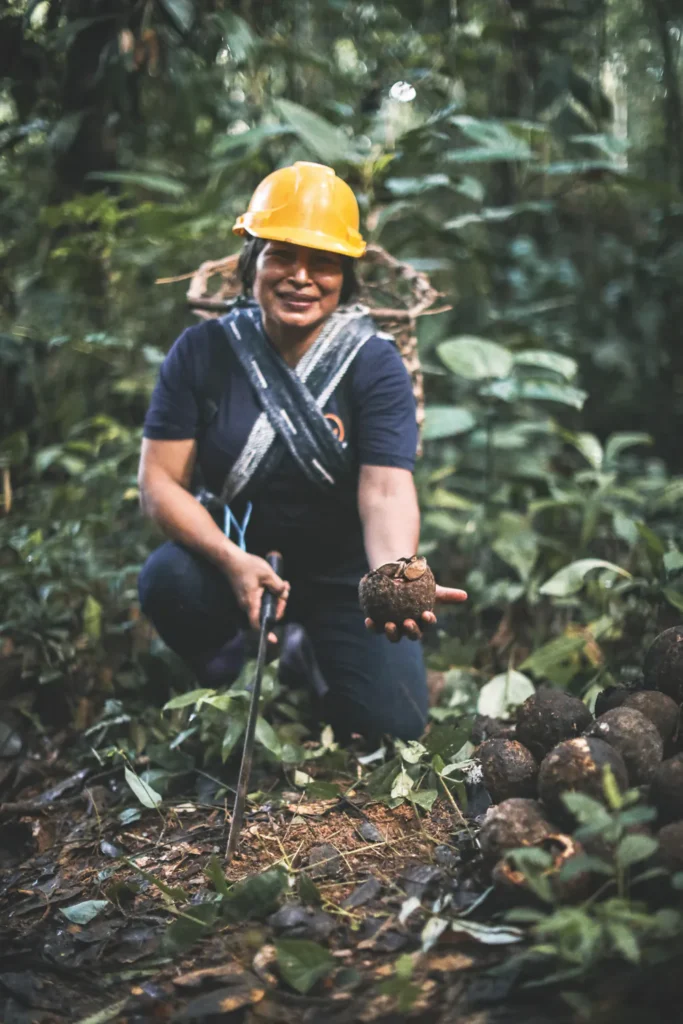
We sit down at a table with people, spend time, and build trust, often over a home-cooked meal. That’s where what people really want comes through, far more than in a meeting or during a walk through the fields. We learn what they’re actually trying to protect. That’s the real unlock: meeting someone human to human and realising that you’re fundamentally the same, regardless of circumstance.
Where do you see the impact of your work most concretely?
With 22 products, we’re in every Whole Foods store across the US and are doing just under twenty million dollars in revenue – still small, but growing fast. We’re close to profitability, which is almost unheard of for a regenerative food company at this stage. The company was founded in 2019 and is funded by impact investors. We have eight full-time employees, plus consultants and part-time staff.
When did joy last catch you completely off guard?
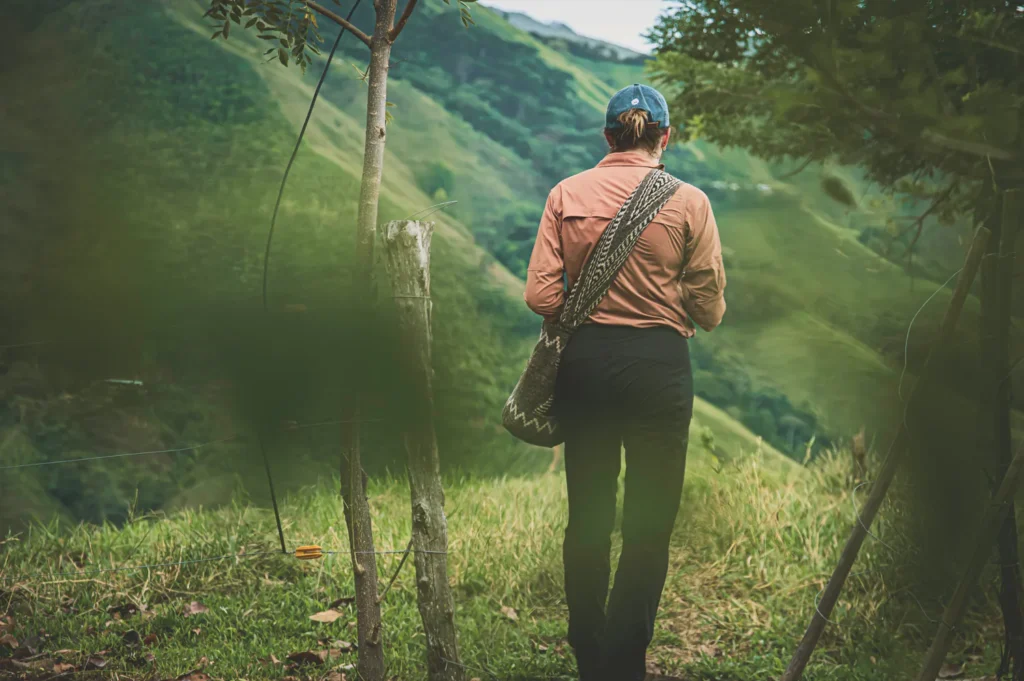
I think of a moment in Guasca, Colombia. We’d been in the field for days, and then I had some time that was just for me, without the usual obligations. As a parent who was also building a company, my mind was constantly running. In that stillness, something in my mind started to reorganise itself, and I started asking myself the big questions. Looking back, that moment was a crossroads. Afterwards, I let go of many things that no longer felt right and started building a life on my own terms.
What would you tell a woman who’s building her own version of meaningful work right now?
Ask yourself the simple but difficult question: am I actually doing what I want to do? Being honest with yourself is one of the hardest things there is. But if you have the courage to question it, you might stay in the same situation, but you’ll be shaping it on your own terms instead of simply drifting along.