

Just sit with that for a moment. Whether it’s a rainbow, a phase in your life, or a global situation – nothing is permanent, not even the life of a human being. Life is a continuum of death and rebirth.
Yet in our minds, we believe we are separate from the world around us – or somehow above nature – and thus in control of this natural cycle of death and rebirth, whether it concerns a human life, a relationship, or the way we do business.
If we are to embrace flexible leadership, we must let old habits die in order to make space for new ones to be born.
Until a few years ago, life was relatively constant, with little or no significant change – which gave us the impression that we were, more or less, in control. Now, as life shifts at an unprecedented pace, this illusion quickly dissolves. We begin to realise that the only thing we truly control is how we respond to the world around us – a world in which each of us is an integral part.
Interestingly, people have come up with all kinds of new leadership styles to deal with these changes – servant, transformational, inclusive leadership – and now we’re talking about flexible leadership. All of these styles reflect innate human traits that we were born with but have somehow forgotten.
Perhaps it’s time to remember what it means to be human – and to come together to find the best way to navigate a changing world, one that benefits everyone.
LEARNING FLEXIBILITY FROM ANCIENT CULTURES
Ancient cultures also faced change. How did they respond?
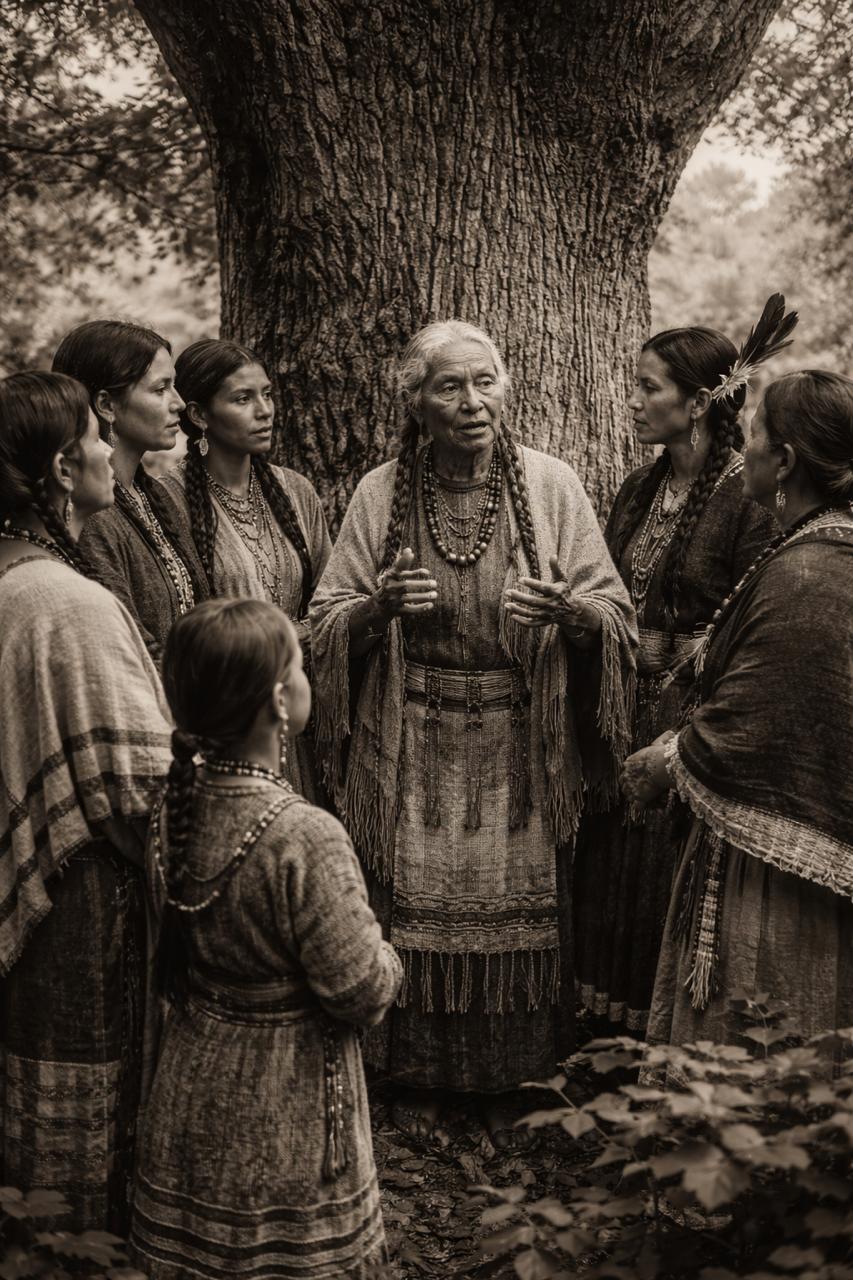
To begin with, change was seen as part of the natural cycle of life – and therefore not feared. These cultures did not cling to existing habits; they simply adapted their lives as needed. Decision-making about how best to move forward was carried out by elders coming together to share their wisdom and perspectives. In the end, they reached a community consensus. If this meant moving to a new location with more resources during a drought, they simply did it.
Today, we attach names to these natural processes that we see mirrored in nature – in both the animal and plant kingdoms. Flexibility was probably easier back then because many ancient cultures led nomadic lives and believed deeply that we are all in this together.
In today’s world of material possessions and separation – this is mine, that is yours – an unhealthy form of ego has emerged within each of us. It is an ego that must be in control (resisting growth and change), needs to win (driven by superiority), and cannot tolerate being wrong (defensive, unwilling to admit fault).
When we recognise the existence of this unhealthy ego in ourselves as leaders – and are willing to change as a result – it becomes far easier to embrace flexible leadership. To bring the concept of flexible leadership into the modern world, we can look to the work of leadership expert Kevin Eikenberry.
FLEXIBLE LEADERSHIP
Kevin Eikenberry believes that intentional flexibility is essential to thriving in today’s complex, chaotic world. In his book Flexible Leadership: Navigate Uncertainty and Lead with Confidence, he highlights why leaders must break away from personality labels, habitual thinking, and outdated practices.
He reveals how leaders can intentionally develop a flexible mindset, skill set, and habit set – moving beyond comfort zones to handle uncertainty and complexity more effectively. According to Eikenberry, the biggest mistake leaders make is failing to realise that flexibility requires conscious intention: habitual, learned responses no longer work.
Flexible leadership demands a willingness to do things differently. In today’s complex world, things are no longer black or white. It’s not about approach A being good and approach B being bad – it’s about approach A being right for one situation, approach B for another, and perhaps even an approach C for something else entirely.
Before responding to any situation, we must ask ourselves: am I reacting the way I always do – or does this situation call for more flexibility?
FLEXIBLE YET ROOTED
While we need to remain flexible, that does not mean we lack a solid core – something that gives us strength and connects us in a meaningful way. A tree without strong roots will be uprooted in turbulent winds, while one with solid roots will stand firm.
Our roots are our purpose and values – the glue that holds people and organisations together.
The Iroquois Confederacy’s “Seventh Generation Principle” is one of the most powerful examples of staying true to values amid change. The Iroquois believed that every decision – political, social, or environmental – should consider its impact on people seven generations into the future.
This meant that change was never resisted, but filtered through their moral and ethical lens. Even as times changed, their core values of stewardship and responsibility remained constant.
Translated into today’s context, company values can serve as an anchor – guiding decisions and actions through uncertainty.
CONCLUSION
The rate of change and the growing complexity of the world are immense. It is vital that we do not allow ourselves to be rushed. Under pressure, we tend to revert to habitual responses – those rooted in an unhealthy ego or disconnected from our deeper purpose and values.
Taking a step back, slowing down, and crafting a more conscious, intentional response will always be worth it.