


Born in Manchester, Jamaica, and trained in chemistry at the University of the West Indies and Loughborough University, she joined Appleton in 1981 and became Master Blender in 1997.
Her leadership reshaped not only the world’s perception of Jamaican rum but also what it means to lead with curiosity, courage, and a lifelong devotion to excellence. Under her guidance, Appleton’s blends – crafted in the lush Nassau Valley, home to the island’s oldest rum distillery since 1749 – have won international acclaim. As Spence told VinePair, “Blending is art meeting science – but it’s also about emotion.” In our conversation, she reveals how passion and patience create legacy – one drop at a time.

Dr Joy Spence
Ladies Drive: What is the scent of your childhood?
Joy Spence: I’m one of the lucky ones because I was adopted. My biological mother was not in a position to raise me, and a wonderful woman took me from birth and, together with my adoptive father, surrounded me with love. They were wonderful parents whose focus was on giving me a good education because they believed in dedication and discipline. We weren’t a wealthy family, but I was given every tool I needed for school.
Where exactly did you grow up?
I was born in Manchester, Jamaica – not the UK (smiles). Our parishes are named after British ones. When I was two, my parents moved to Kingston, where I grew up.
What was the scent of this morning? I know you work a lot with your nose in your professional life.
This morning it was the wonderful Blue Mountain coffee I drink every day.
Lucky you! So how did you become a Master Blender? There’s no university degree for that.
When I joined the company in 1981, it was as Chief Chemist. My initial mandate was to modernise the laboratory. The Chief Chemist works closely with the Master Blender, so I began working with him. He recognised that I had excellent sensory skills and strong knowledge of the chemistry behind rum manufacturing. He said he would take me under his wing and tutor me because he knew I could become an excellent blender. I had an advantage over him – I could combine sensory skills with chemistry, which he did not have.
Why did you study chemistry in the first place? What drew you to that field?
When I was fourteen, I became very attached to my chemistry teacher. I would stay after school to help her prepare chemicals for the senior labs, and I grew deeply interested in chemistry. Eventually, I was even tutoring senior students because I knew the preparations so well. She became like a second mother to me, but a year later she died in childbirth. I was devastated and vowed to become the best chemist I could – in her honour.
Sometimes people open doors for us without knowing how much it means, right?
That’s correct. I never imagined I’d pursue a career in chemistry. When I reached sixth form, my school didn’t even have a chemistry teacher, so I taught myself for an entire year. Eventually, they found someone to help prepare me for the final lab exams. But I was determined – I said I’d study chemistry at university no matter what it took.
What a dramatic yet wonderful story. Could you describe a typical working day for you as a Master Blender?
My focus now is innovation and serving as a global ambassador. I work on developing new products for the market – assessing prototypes, selecting the right blend to present to the marketing team. Beyond that, I travel for interviews and masterclasses at our Joy Spence Appleton Estate Experience, our visitor centre in the middle of the island.
Let’s talk about your nose. How do you train your olfactory senses?
First, you must have a natural gift – not everyone does. But that gift has to be developed. Over the years, you memorise aromas. For example, you learn the scent of vanilla and commit it to memory. Then, when you encounter an unknown sample containing vanilla, you immediately recognise it. It takes years of practice to identify and differentiate the many aromas present in our rums.
How many aromas can you identify?
Easily over a hundred.
So there’s no chance AI could replace you?
They’ve tried to develop machines with sensory analysers, but nothing compares to the human nose. It’s very difficult – that’s one thing still uniquely ours.
As a child, did you already have this heightened sense of smell?
Yes. Even as a child, I’d walk into a room and notice aromas no one else perceived. I realised I had this gift, though I never imagined it would become a career.
Do you have a favourite aroma – one that always makes you happy?
I love the scent of roses, so any perfume I buy must have a dominant rose note. I also enjoy citrus aromas – they’re so vibrant. Just this morning I had a lemon cake, and it instantly reminded me of my grandmother’s cakes. Scent is powerfully tied to memory – sometimes beautifully, sometimes painfully.
Do you think women are more sensitive to scent than men?
Yes, there’s a difference. Women tend to be more sensitive and can identify aromas more quickly. I wouldn’t say a female Master Blender is better than a male one, but women often detect aromas faster – maybe it’s our maternal instinct.
What are Appleton Estate’s latest innovations?
Our most recent release is the Appleton Estate 51-Year-Old, The Legend. It’s the oldest rum ever released by Appleton Estate, celebrating our history, provenance and craftsmanship. It pays homage to our beautiful aquifer that flows along limestone riverbeds and is in every drop of our rum. Only 25 bottles were produced, at 62% ABV. The liquid has notes of honeyed raisin, cinnamon, spiced fruit, smoky orange, figs, maple, vanilla and warm oak – exceptionally smooth and simply perfection.
The packaging is stunning: a heart-shaped bottle representing Appleton Estate at the heart of Jamaica; a clear glass fading into aquamarine to symbolise our water source; a hummingbird – our national bird – on the cap; and straw marquetry evoking sugarcane. It retails at USD 70,000 per bottle.
That seems to be a real unique art piece of rum! In general – what makes Appleton Estate rum so special?
Several factors: our limestone-filtered water; our proprietary yeast strain, passed down since rum-making began at Appleton Estate; our unique fermentation process; and our custom-designed pot stills made in Scotland. These create the signature orange-peel top note that defines our rums. Finally, the ageing and blending craftsmanship – passed down from one Master Blender to the next – ensures quality is built into every stage, not just checked at the end.
What do you drink on a cold winter’s night to warm yourself?
Appleton Estate 12-Year-Old. It has rich vanilla and coffee notes, our signature orange-peel top note, a hint of hazelnut and spiced fruit – complex, deep and perfect to sip neat on a cold night.
Water quality seems crucial for your rum – why is that?
Our aquifer water filters through limestone hills, emerging at Appleton Estate with a turquoise hue and soft, sweet taste, rich in natural ions that enhance fermentation. It’s completely natural and essential to our flavour. If you visit one day, I’ll take you there – it’s peaceful and breathtaking.
When you were appointed Master Blender in 1997, the media called you the first woman in the industry. How did that feel?
A UK PR agency told us there was no other woman Master Blender in spirits – whisky or otherwise. I thought, Oh my goodness, what an achievement for a Jamaican woman! I was surprised and proud, both for my country and for Appleton Estate. I believe I opened doors for other women – many were already doing the work, but companies were hesitant to give them the title. My boss, however, believed in me and ignored the noise.
Do you mentor young women to follow in your footsteps?
Yes. I dedicate time to philanthropic work supporting young women passionate about STEM who can’t afford university. I help with tuition, laptops, glasses, healthcare – whatever they need – because I see their potential and share their passion for chemistry. I’ve received so much; it’s time to give back.
I feel the same way – the older we get, the more we want to give back.
Exactly. When I meet a young woman with that special spark but limited financial means, I step in. I tell them, “You’ll be an excellent chemist one day – maybe even famous.”
You mentioned innovation earlier – what’s next?
Two years ago, we did something different: we finished our eight-year-old rum in 18-year-old Glen Grant Scotch whisky casks. It was released only in Canada but was so well received that people everywhere were trying to get a bottle. It was truly unique.
Finally, what do you hope will remain of you at Appleton once you retire?
I hope everyone continues with the same passion, humility and love that I have for Appleton Estate. It’s part of my DNA. To succeed, you need skill, passion and humility.
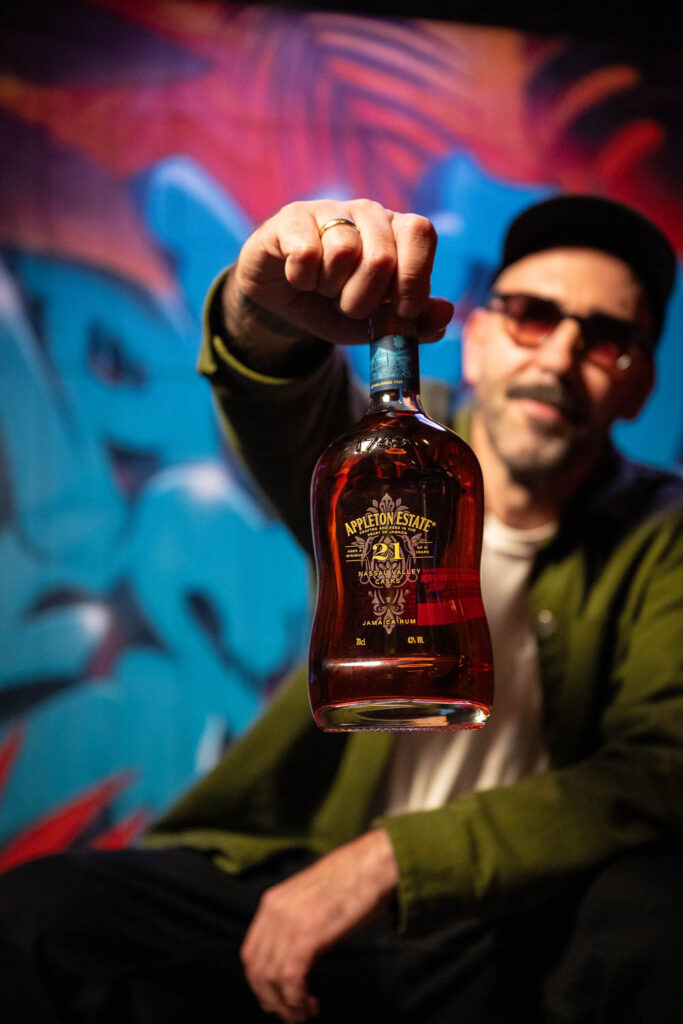
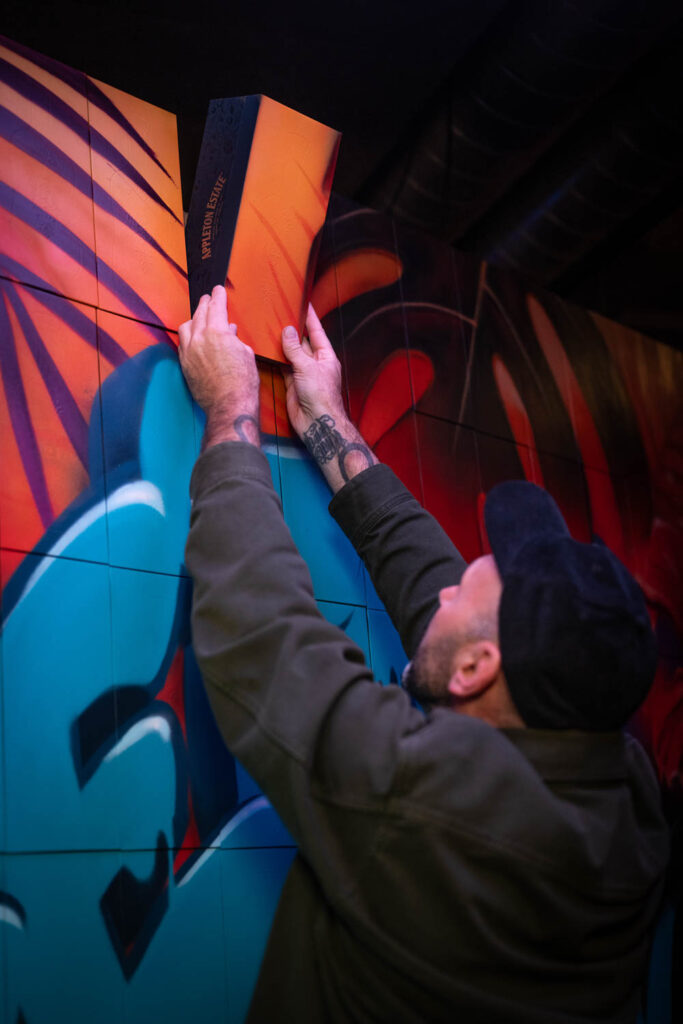
Appleton Estate x Boogie
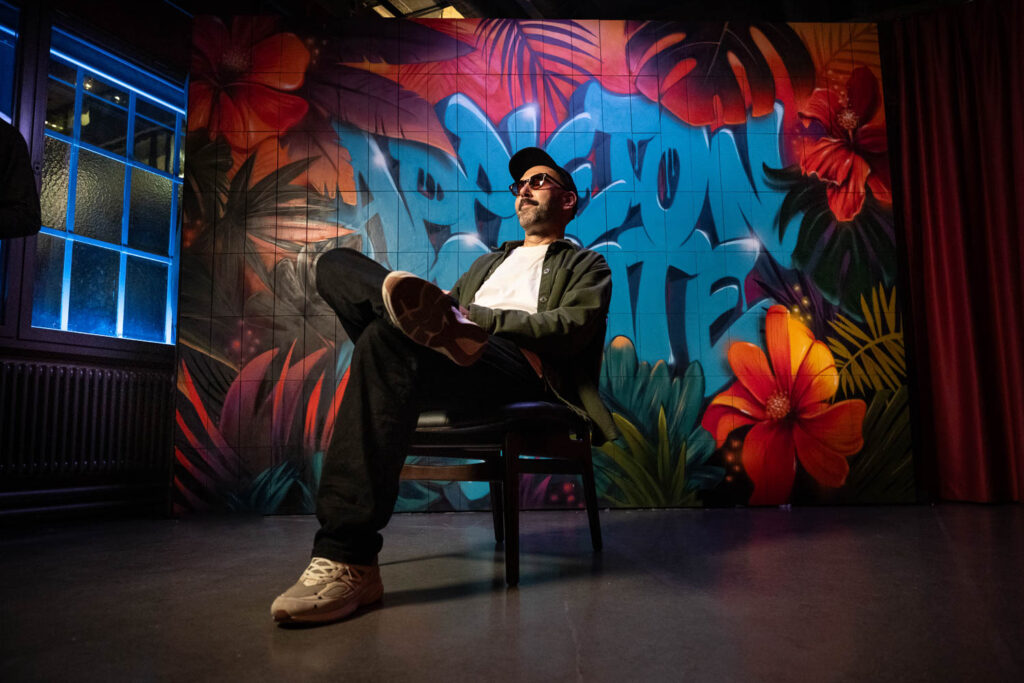
In the heart of Jamaica’s Nassau Valley, where limestone-filtered springs and sun-ripened sugar cane whisper of time, Appleton Estate has matured its rums for 275 + years. For this 21-year-old expression, the company has called upon street-art legend Boogie to translate that heritage into a visual symphony. He transforms a gift-box run of exactly 200 hand-signed artworks into a bridge between tradition and urban expression. The rum itself flows creamy, rich and deep: oak, stewed tropical fruits, cocoa and pepper linger in each sip. What emerges is more than a collector’s bottle – it is a manifesto of craft, culture and courage. Pour one glass, and you taste resilience; lift the box, and you touch art in motion.
www.camparigroup.com
www.appletonestate.com
www.misterchampagne.ch