
Survival of the fittest – when it comes to negotiations, tact and diplomacy are two crucial criteria for success. The Centre of Competence on Humanitarian Negotiation in Geneva trains negotiation professionals who work in humanitarian situations in crises, conflicts, and wars. However, the skills they learn can also be used in business. Executive Director Joëlle Germanier on leading with empathy, courage and clarity – even where humanity seems to end.
Ladies Drive: First of all, Joëlle, how are you? What is the situation in the world doing to you right now? And where do you find the strength to keep going?
Joëlle Germanier: I think as a humanitarian – because first I’m a humanitarian, and then I became a humanitarian negotiator. It is different when you’re sitting here in Switzerland and reading the news, to be honest, than when you are based firsthand in those conflict areas, in those situations. At least for me.
Can you explain your feelings when you’re actually in a conflict zone?
You can’t really let yourself down. You see the strength, the hope, and the resilience of the people who are in the worst situations. If they cope and they manage and they still try, why would I give up? You can keep on going because you’re there, and even if the impact is very limited, you have impact. You see how you can contribute, how things can move, because there are some individuals, some communities, who truly care. You see the horrors, of course – you’re firsthand exposed to war – but you also see how people, despite the horrors, are actually making genuine gestures to each other: taking care of a dying woman or a child that is actually on the other side, the enemy line. Because at some point there is humanity that unifies people.
Do you have to be born a negotiator?
That is a bit of a myth. It’s like any other profession. It’s something you build, something you have to learn, you have to become. There is now the profession of being a negotiator. There are expertises, there is practice, there is strategy. It’s not something you’re born good at or bad at. Negotiation requires hard skills as much as doctors, lawyers, and other professions do. And to become a professional negotiator, you need to continuously invest in learning from your experience, which is the space we offer to our community of frontline negotiators.
Would you say that it doesn’t matter if you work in the humanitarian field or in the economy – you need the same skills when you have to negotiate?
Of course, we have focused on how those colleagues in the field, in those crazy, hostile, complex crises, need to negotiate. We developed a methodology that is specific to humanitarian crisis situations. But even if you are exposed to different types of negotiation, there are some core skills that apply to whatever you are negotiating.
Like what?
Preparation is so important – in any sector. If we feel we can just walk into a room and say, this is my price, you will most likely fail. The amount of preparation will change the probability that you have a successful outcome. Never underestimate the level of knowledge you need to have about the person, institution, or identity with whom you will be negotiating. Second, it is very important to understand your counterparts – to understand their interests. Your personal feelings and beliefs do not matter.
Is there a profound misunderstanding about how negotiation works?
Maybe the biggest misconception is that people think, if I need to win, the other one needs to lose. There are many strategies where you can have a more collaborative, win-win approach. Of course, it depends on the situation. It also depends on whether you are in a position of power or not. If you have a huge position of power, you might be much more aggressive. Something that we witness daily right now: when you have all the power, you need zero skills. So, the less power you have, the better you need to be at negotiations.
Does gender matter?
You have to acknowledge that everyone has different styles. It’s not just gender; it’s your culture, your personality, and the legitimacy you bring to the negotiation table. Of course, your gender plays a role – sometimes in favour, sometimes in disfavour. Being aware of that and then leveraging it is very important.
What would be the biggest mistake in a negotiation process?
Not understanding what is being said – or not being said. The problem is usually that we know very well what we want, but we haven’t really understood what the other side wants. Which is difficult, because there are usually underlying issues. You need to unpack that and be aware that you are not here to convince the other of my position. I’m trying to influence so that we can find a common way forward. And to influence, I need to fully profile the person I’m talking to – or that organisation, entity, or company I’m negotiating with. You have to listen. The listening, interrogation, or questioning techniques are so important to see: OK, what else can I offer? You’re trying to enlarge the scope of options and alternatives you have. Maybe you are not able to give exactly what they want, but actually you can offer something else – because you understood what is really at stake for your counterpart, which is never the position stated at the negotiation table. This takes time and true listening.
Do you share your insights, your knowledge and your methodology outside the humanitarian world too?
Yes, of course. Part of our work is to continuously develop the body of knowledge around professional negotiations. We are working closely with universities, think tanks, and diplomats, and starting to create bridges with the private sector. We are also partnering with other professional negotiation training centres, such as L’Agence des Négociateurs (ADN Group) based in Paris, or Negotiated Resolutions based in Scotland.
That’s fancy! I can book a negotiator for solving my problems?
Absolutely! We do provide negotiation advisory support. We have also developed a specific programme and network to empower female negotiators, available for humanitarian professionals as well as businesswomen.
“Maybe the biggest misconception is that people think: if I need to win, the other one needs to lose.”
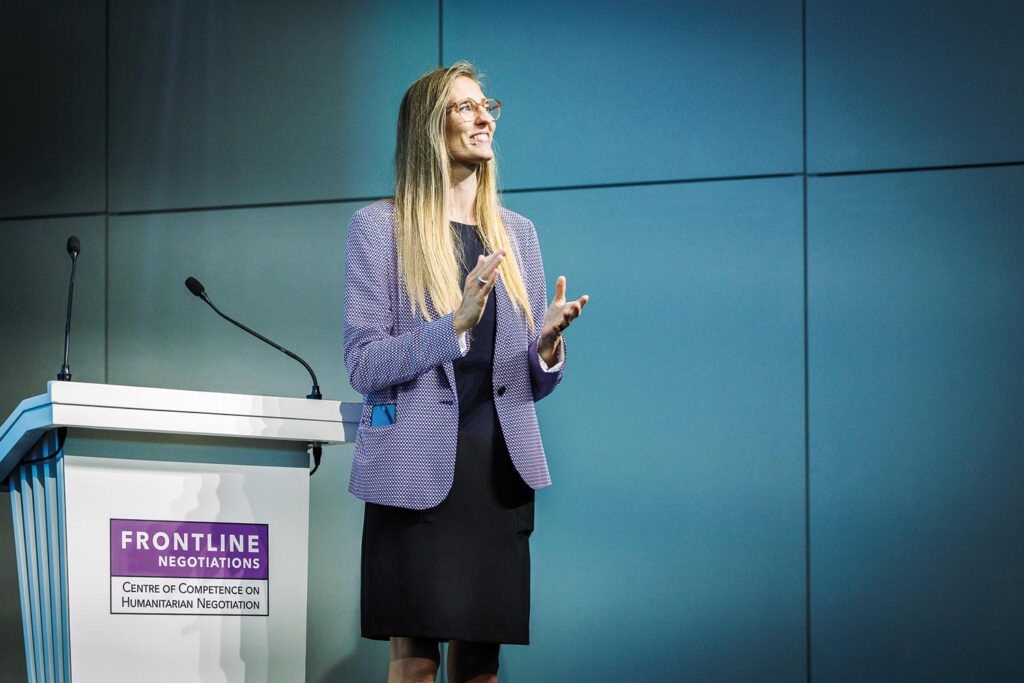
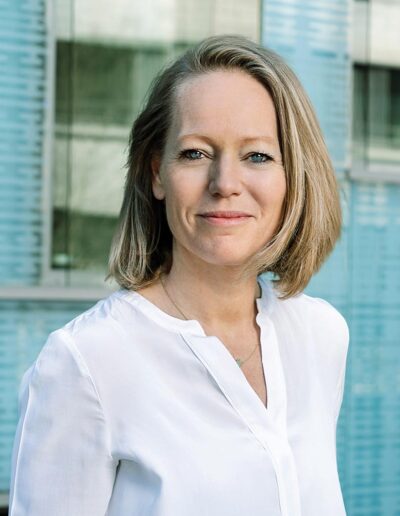
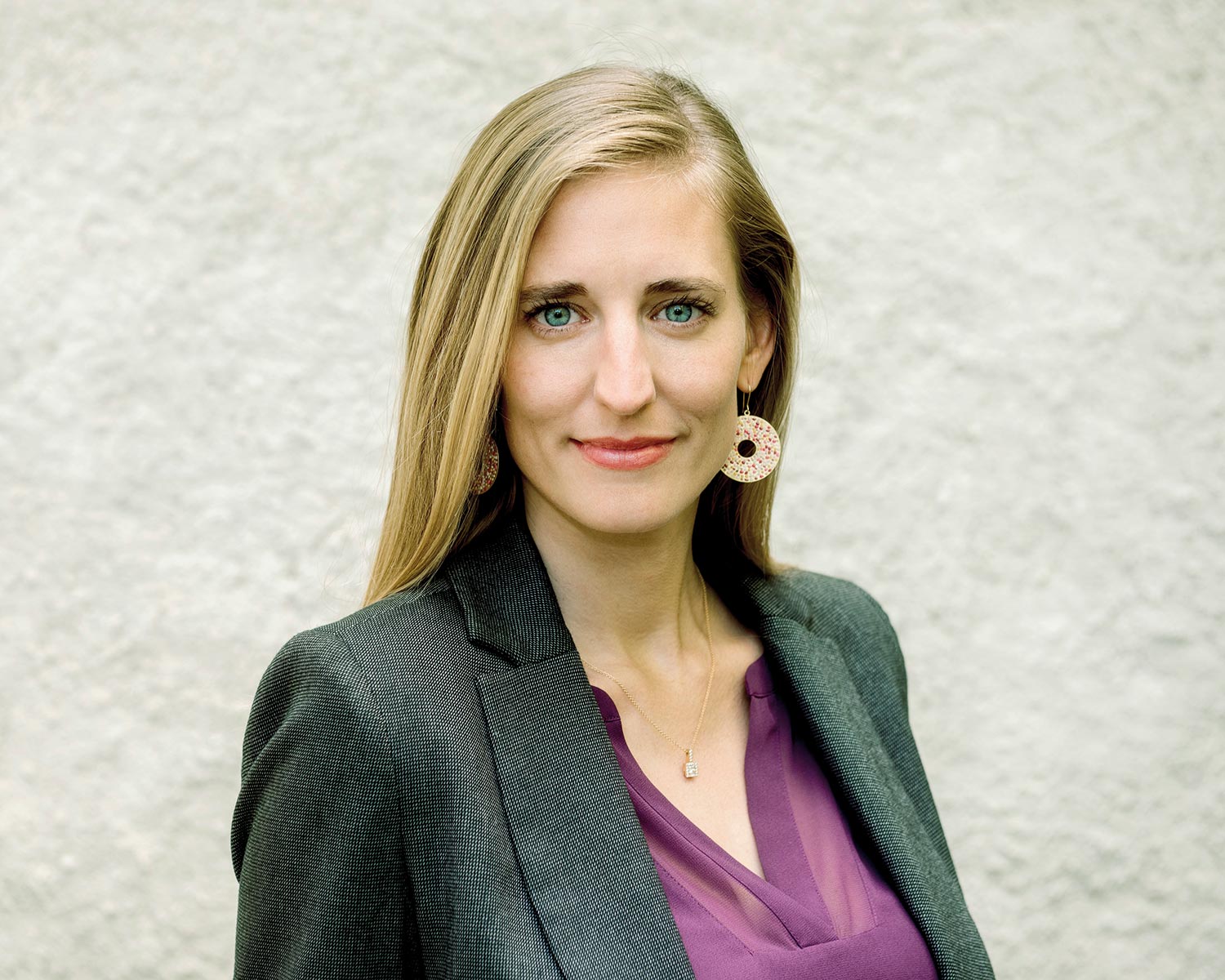
Joëlle Germanier was born in Neuchâtel and started as a humanitarian worker while she was still in the process of completing her Swiss Matura. She went to South Africa with a Swiss NGO as a volunteer. Her task: to find out why we were failing to prevent the spread of HIV in the townships of South Africa.
She then completed a Bachelor’s degree in International Relations and a Master’s in International Public Law – all between Lucerne, Neuchâtel, Geneva, and Vienna. She went on to work for the Red Cross for over a decade as an active humanitarian worker deployed in various war zones across East and West Africa and Latin America.
Since the beginning of 2022, she has been the Head of the Centre of Competence on Humanitarian Negotiation.