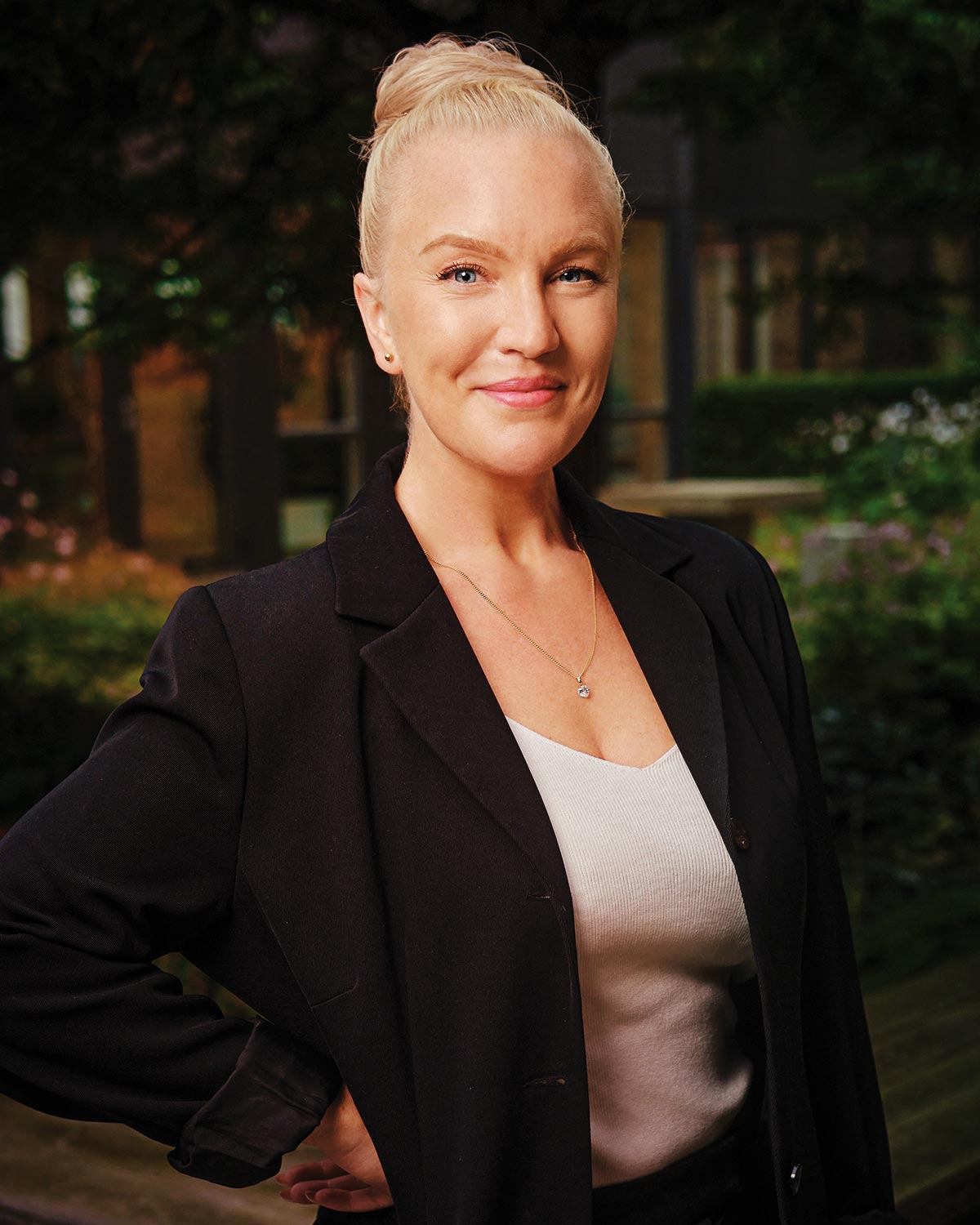
At 35, Alexandra Davidsson has grown Circular Monday into the world’s largest campaign for conscious consumption. What few people know: she built it while living with chronic pain every day, while losing her business partner to suicide, and while learning that real change can only begin within.
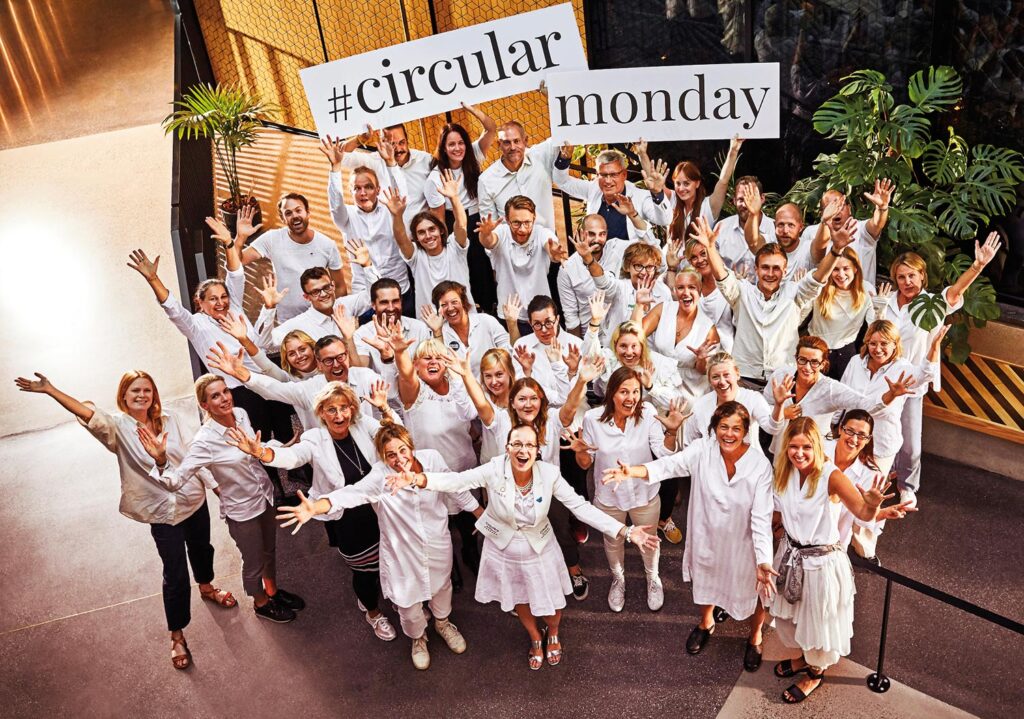
Ladies Drive: Who are you, in your own words?
Alexandra Davidsson: As a child, I had this image in my head: I am standing in front of a huge audience, doing something important. That was my mindset. I thought I had to become a diplomat to do that. And when I finally made it to the UN in New York, after years of working towards that goal, I realised: shit – this does not fit me at all. I am a doer.
You now mobilise an extraordinary number of people to challenge Black Friday, the annual discount frenzy in November. When did you first realise you could move large crowds?
It was during my UN years. I created a campaign for International Women’s Day and it accidentally went viral. Then I was criticised for it, because I had been hired for internal, not external, communications. That was when I knew a large organisation like this was not for me.
You had early success. It sounds as if things came easily.
My career may have looked great from the outside. But there was a lot of hardship. I had a dream job promoting responsible consumption. I was one of Sweden’s highest-profile sustainability experts, constantly in the media. The pressure kept growing. I felt I had to be perfect in everything I did. And I am not perfect. I am saying this publicly for the first time: at one point, I wanted to break up with sustainability. I wanted to burn my whole career down because I could not carry the pressure any longer. And there was something nobody could see. I live with physical pain every single day – a condition I was born with. Through medication, I gained thirty-five kilos. As a woman in her early thirties in the public eye, that was difficult. My life was: work, lie on the couch to regain energy, then work again.
Through all of that, Henning Gillberg, your business partner at Circular Monday, was very close to you.
Yes. Henning and I were an incredible team. He was a true legend in circularity, and I was the visionary strategist who knew how to take it global. He took his own life in 2022, while I was in my darkest place health-wise. It broke my heart. I realised he had gone down the road I was on too. And then I faced a choice: do I save myself – or the organisation I had built my life around? So I quit. I took a year off to recover.
That is incredibly tough.
Henning entrusted the campaign to me. I am carrying forward the vision we built together, and I am not ready to dilute it. In 2025, we reached more than 100 million people across 58 countries without spending a single pound on marketing. Thirty volunteers. 1,500 partner companies and organisations. The campaign belongs to no company. I own it. I carry all the costs myself. And I will make wise decisions about what I do with it.
How did you navigate this enormous campaign alongside your health challenges?
I had to turn everything upside down. I had to end the hustle culture because physically I could not continue that way. Everything I build now runs differently. We work according to our energy curve. According to our own rhythm. Not by the calendar, not by external pressure.
And that works?
Beautifully. There are fixed meeting times. But beyond that, everyone orients themselves around how they work best. That requires people who know themselves and are motivated from within. How we treat ourselves is a mirror of how we treat the world. Honour your body, and it becomes much easier to honour the earth.
Circular Monday is an online campaign, and yet its impact reaches deeply into the physical world. How does it work?
It is a digital awareness campaign, because that is what spreads. It is also a database where consumers can find circular products and services. And very quickly, businesses brought it into the physical sphere through initiatives such as circular pop-up shops. So there is a real community movement around it too. And that can lead to behavioural change – changing norms, changing how we think.
We all know that feeling of wanting something intensely, buying it, and then realising it was never what truly satisfied us. What do you suggest?
Ask yourself: is it really a ten? And then be honest – am I buying this to celebrate something, or to cover something up? If you are buying to cover something up, you will feel that emptiness afterwards. Every time. That is not a moral judgement. That is simply how it works.